
4 ranges to choose from
-
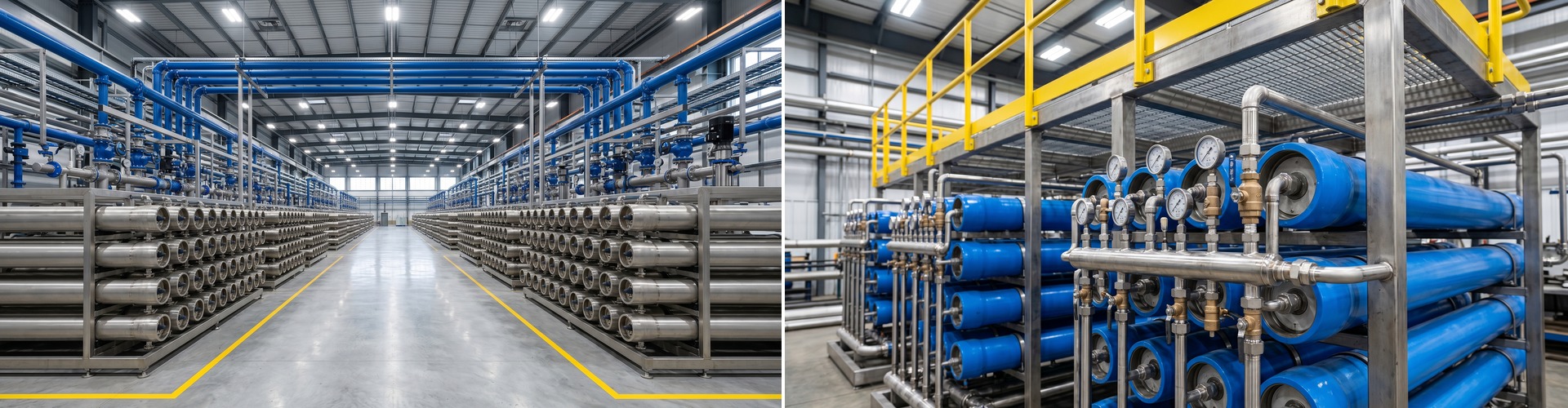
Industrial Reverse Osmosis Systems
Industrial reverse osmosis is a water purification process that forces high-volume feed water through semi-permeable membranes under pressure, removing dissolved solids, minerals, and contaminants to
- Models
- 15
- Output
- 6,000 – 100,000 GPD
-
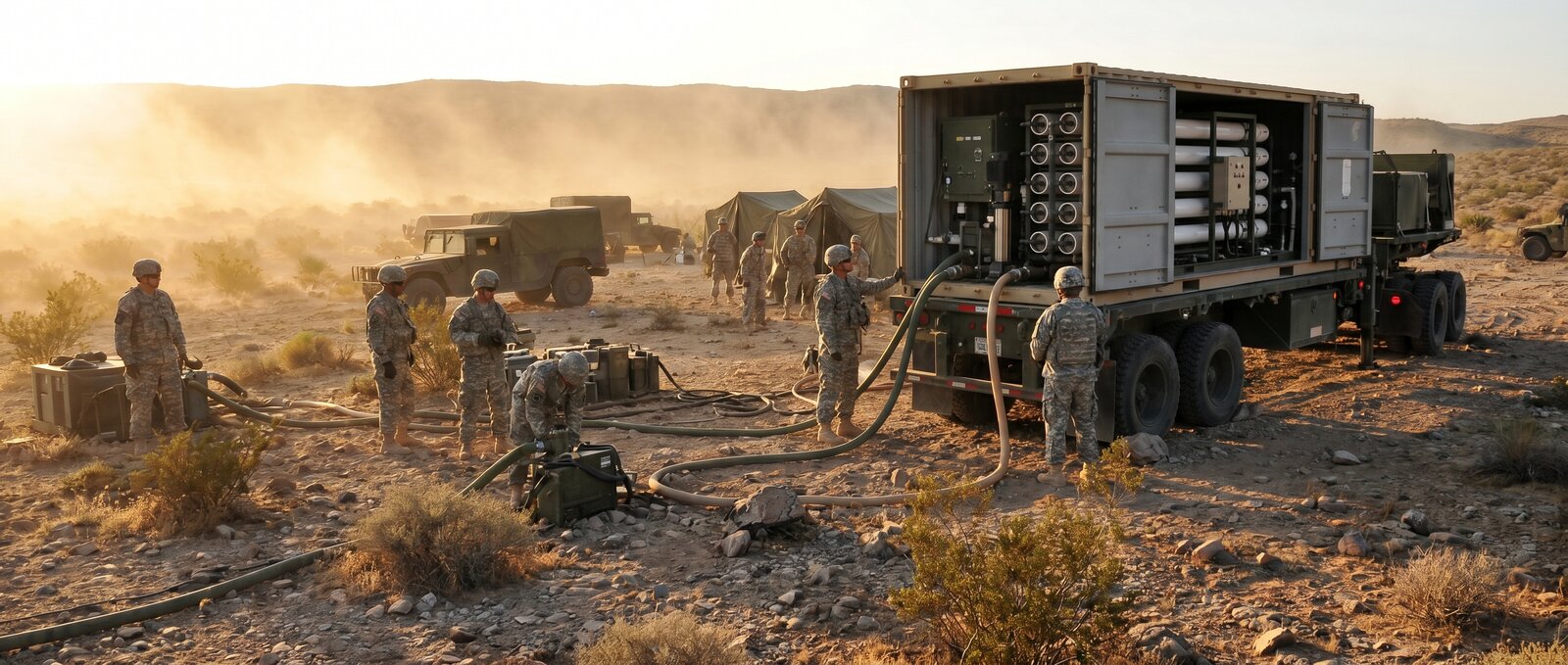
ROWPU Military Water Filter & Purification Systems
Military water purification systems (ROWPU) - Reverse Osmosis Water Purification Units - are self-contained, portable treatment plants built for U.S.
- Models
- 7
- Output
- 150 – 5,000 GPD
-
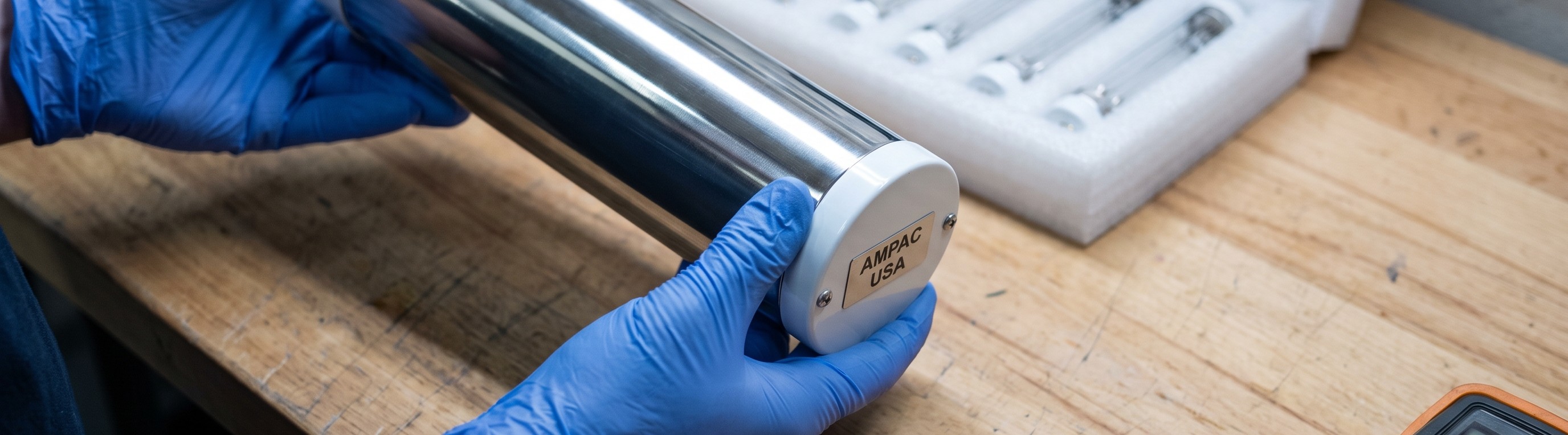
Industrial Ultra Violet Sterilizers
See our dedicated industrial UV sterilizers page for dose ratings, flow rates, and certification details.
-
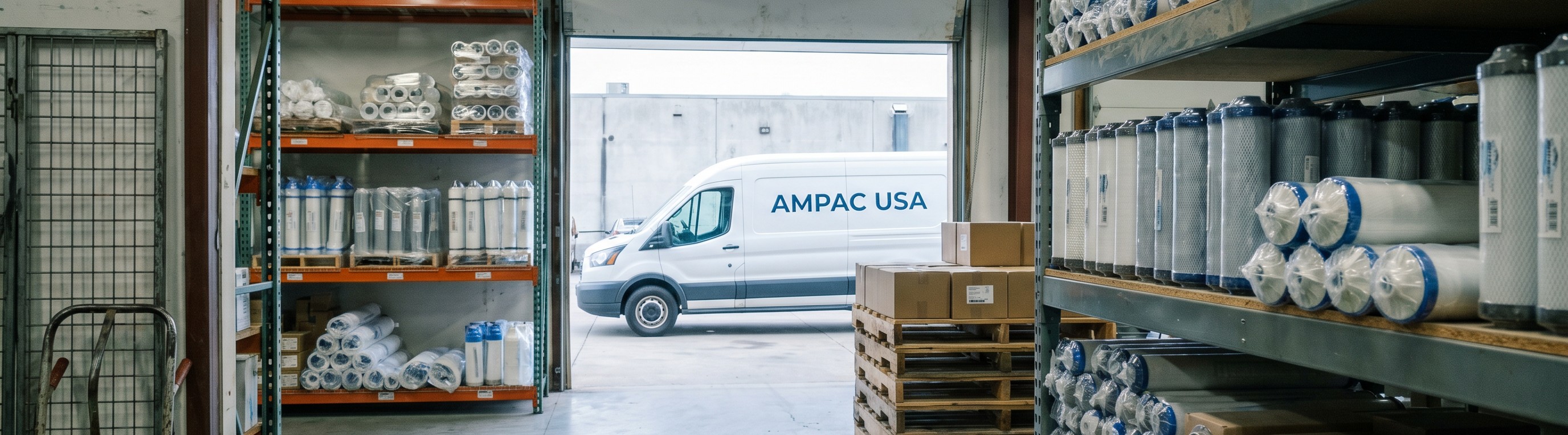
Accessories and Consumables
AMPAC USA accessories and consumables include all the maintenance items, fittings, tubing, gauges, and replacement parts needed to keep your water treatment system running reliably.
Also available
-
BW30-365
BW30-365
The AMPAC USA BW30-365 RO Membrane is a critical component for treating brackish water, engineered to deliver exceptional water quality and operational efficiency.
View specifications -
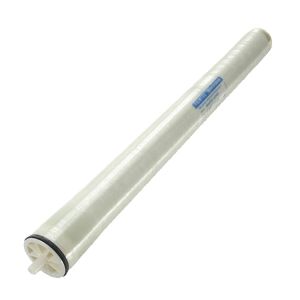
BW30-4040
BW30-4040
The BW30-4040 Dow Filmtec Membrane from AMPAC USA is engineered for ground brackish water applications, producing 2,400 gallons of purified water per day.
View specifications
About Industrial Reverse Osmosis Systems
Sizing a system? Send your flow rate and a feed-water analysis, and an AMPAC engineer will work out the configuration with you.
Leading global organizations should not have to worry about the availability of steady, reliable, easy-to-maintain reverse osmosis systems for producing clean, potable water to cover their full range of requirements.
AMPAC USA supplies turnkey industrial reverse osmosis systems for commercial and industrial installations in more than 150 countries. Ask us for a quote and we will estimate the total cost of ownership for your application.
Industrial Reverse Osmosis solutions keep the manufacturing processes pure.
For Industrial RO or Industrial Water Treatment, Call AMPAC USA on 909-548-4900
Need a replacement membrane for your industrial system? See our Dow Filmtec BW30-365 9,500 GPD RO Membrane.
Industrial Reverse Osmosis Systems By Capacity
Industrial systems are specified by daily output first, then by feed chemistry. The range below is what is currently built and listed; anything between these points is a configuration question rather than a different product.
| Model | SKU | Rated output |
|---|---|---|
| Industrial Reverse Osmosis 6,000 GPD 22.7m3/Day | AP6000-SM-LX | 6,000 GPD |
| Industrial Reverse Osmosis 8,000 GPD 30.2m3/Day | AP8000-LX-1 | 8,000 GPD |
| Industrial Reverse Osmosis 10,000 GPD 1.6m3/hr | AP10K-LX | 10,000 GPD |
| Industrial Reverse Osmosis 20,000 GPD 3.18m3/hr | AP20K-LX | 20,000 GPD |
| Industrial Reverse Osmosis 25,000 GPD 4.0m3/hr | AP25K-LX | 25,000 GPD |
| Industrial Reverse Osmosis 30,000 GPD 4.75m3/hr | AP30K-LX | 30,000 GPD |
| Industrial Reverse Osmosis 60,000 GPD 9.5m3/hr | AP60K-LX | 60,000 GPD |
| Industrial Reverse Osmosis 80,000 GPD 12.6m3/hr | AP80K-LX | 80,000 GPD |
| Industrial Reverse Osmosis 100,000 GPD 15.8m3/hr | AP100K-LX | 100,000 GPD |
Listed capacities run from 6,000 to 100,000 GPD across 12 systems in this section. Feed TDS, required recovery and available footprint move the specification as much as output does. Send a recent water analysis with a quote request and sizing starts from the real feed. Request a quote.
How an industrial RO system is configured
Three decisions set the shape of an industrial plant: the array, the recovery target, and the pretreatment ahead of the membranes. Everything else follows from those.
Array and staging
Membranes sit in pressure vessels arranged in stages. A 2:1 array sends the concentrate from two first-stage vessels into a single second-stage vessel, so the water rejected by the first pass gets a second chance. Larger plants run 3:2:1. Staging is what lifts overall recovery without pushing any single vessel past its flux limit, and it is the reason two plants with identical membrane counts can behave very differently.
Recovery target
Recovery is the share of feed water that leaves as permeate. Brackish and well water plants usually run 50 to 75 percent. Seawater runs 35 to 45 percent, because the osmotic pressure of the concentrate rises steeply as you push further. Every point of extra recovery concentrates the scale-formers left behind, so the ceiling is set by the feed analysis, not by preference: silica, calcium carbonate and calcium sulfate each impose their own limit.
Pretreatment decides membrane life
Pretreatment is chosen against the feed water, not from a catalogue.
- Turbidity and suspended solids - multimedia filtration, or ultrafiltration where SDI stays stubbornly high.
- Hardness - a softener, or antiscalant dosing. Softening suits smaller flows and high hardness; antiscalant suits larger flows where salt regeneration becomes impractical.
- Chlorine - carbon or sodium bisulfite. Chlorine oxidises polyamide membranes, and that damage is permanent.
- Iron and manganese - oxidation and filtration upstream. Both foul membranes quickly once they precipitate.
When to clean
Plants are cleaned on normalised data, not on a calendar. A 10 to 15 percent fall in normalised permeate flow, a 10 to 15 percent rise in differential pressure across a stage, or a similar rise in salt passage each indicate that a clean is due. Waiting past those thresholds makes fouling harder to reverse.
What moves the capital cost
Feed TDS and the recovery target together set membrane area and pump duty. After that: materials of construction, stainless versus FRP vessels, the level of instrumentation and automation, redundancy such as duty and standby trains, and whether the plant needs to be skid-mounted or containerised for a site with no building.
AMPAC industrial systems run from 6,000 GPD to over 100,000 GPD. Send a feed water analysis and a target flow, and an engineer will work through the array, recovery and pretreatment with you. Request a quote.