

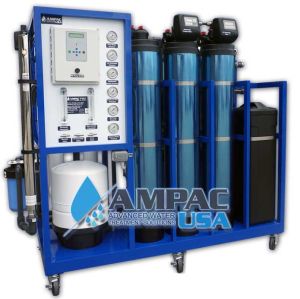
Alkaline Water Store Commercial Reverse Osmosis AP3000-LX-ALK by AMPAC USA is available at best prices and shipped swiftly. To order it today, call 909-548-4900
View details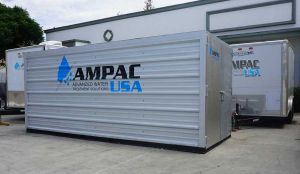
Emergency Portable Reverse Osmosis 20,000 GPD, AP20K-LX-C by AMPAC USA is suitable to serve commercial & residential units. To order it today, call 909-548-4900.
View details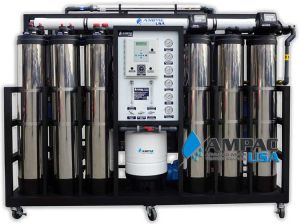
Super Water Store AP4000-SM commercial reverse osmosis system, ideal for water storage applications. Learn more | AMPAC USA
View details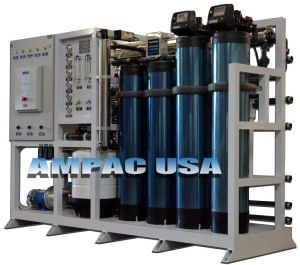
Industrial Reverse Osmosis 8,000 GPD for water treatment. Highly automated, value for money, ready to ship | AMPAC USA
View details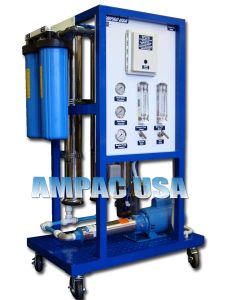
Meet high pure water needs with our Commercial Reverse Osmosis 8000 GPD system, APRO8000. | AMPAC USA
View details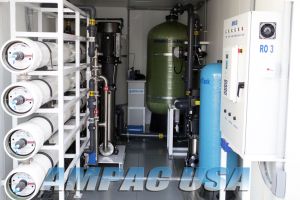
Mobile Turnkey Reverse Osmosis Water Purification, 80,000 GPD (12.6m³/hr) for industrial use. Efficient and low cost | AMPAC USA
View details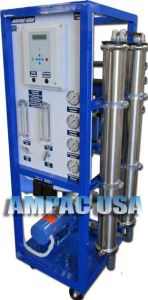
Get TDS-free, contamination-free water with the Commercial Reverse Osmosis 3000 GPD system for your business | AMPAC USA
View details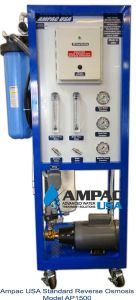
Commercial Reverse Osmosis 1500 GPD system for pure water users. 20 years of expertise in water treatment | AMPAC USA
View details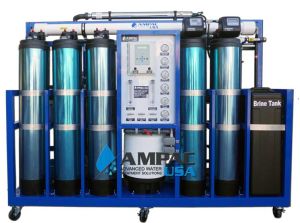
Prepare for any water emergency with the Super Water Store AP3000-SM commercial reverse osmosis system. | AMPAC USA
View details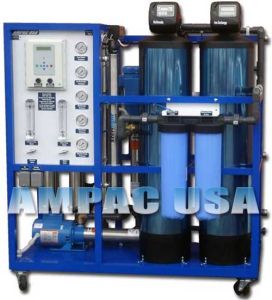
Commercial Turnkey Brackish Reverse Osmosis 6,000 GPD, AP6000-LX by AMPAC USA gets rid of brackish water. For instant delivery of this model, call 909-548-4900.
View details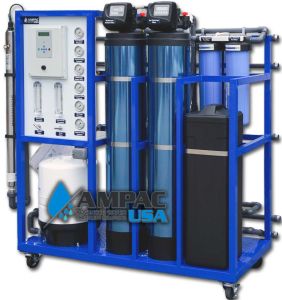
Commercial Turnkey Reverse Osmosis 4,400 GPD systems for efficient brackish water treatment. Explore our solutions | AMPAC USA
View details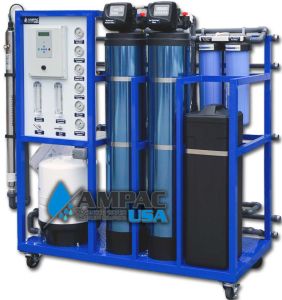
Commercial Turnkey Reverse Osmosis 2,200 GPD system for brackish water treatment. Best price on AP2200-LX RO systems | AMPAC USA
View details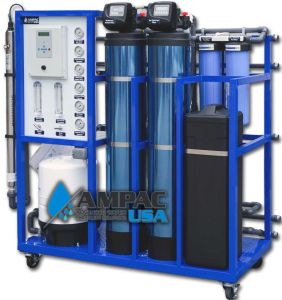
Commercial Turnkey Reverse Osmosis 1,500 GPD system for brackish and high-salt water treatment. | AMPAC USA
View details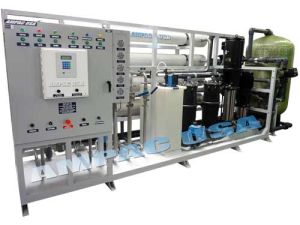
Industrial Reverse Osmosis 80,000 GPD, AP80K-LX by AMPAC USA serves industrial water needs of large industrial units. Call 909-548-4900 for early shipping at low cost.
View details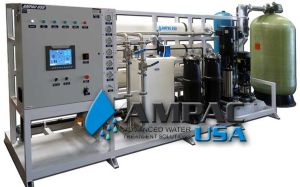
Industrial Reverse Osmosis 60,000 GPD system, AP60K-LX, offers affordable, customized water treatment solutions. | AMPAC USA
View details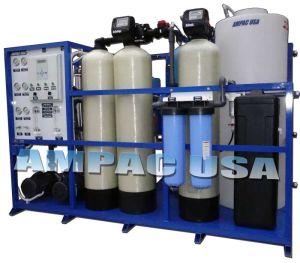
Treat 6,000 GPD with AMPAC USA's industrial reverse osmosis system, removing impurities and TDS for pure water. | AMPAC USA
View details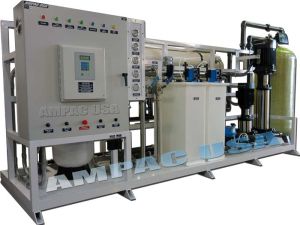
Industrial Reverse Osmosis 40,000 GPD for giant water needs in communities, industries, and commercial units | AMPAC USA
View details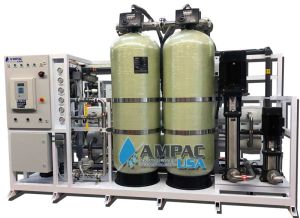
Industrial Reverse Osmosis 30,000 GPD (4.75m3/hr) system for large-scale industrial water purification. | AMPAC USA
View details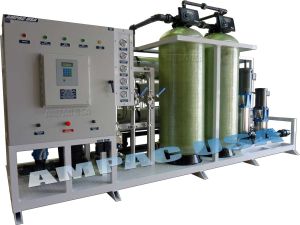
Industrial Reverse Osmosis 25,000 GPD (4.0m3/hr) for commercial & industrial water treatment. AP25K-LX model | AMPAC USA
View details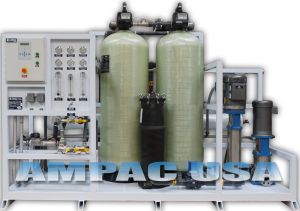
Industrial Reverse Osmosis 20,000 GPD system for commercial and residential water treatment. | AMPAC USA
View details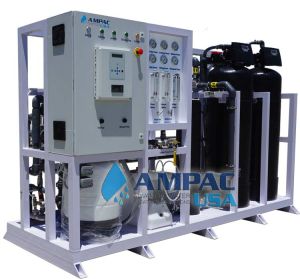
Automated Industrial Reverse Osmosis 12,000 GPD system for reliable water treatment with minimal supervision | AMPAC USA
View details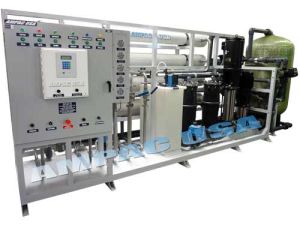
Industrial Reverse Osmosis 100,000 GPD for high-volume water purification. Meets diverse industrial needs | AMPAC USA
View details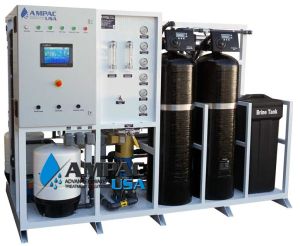
Automated Industrial Reverse Osmosis 10,000 GPD system for efficient water treatment. Minimal human effort required. | AMPAC USA
View detailsFrequently Asked Questions
What water quality standard must bottled water meet before filling?
The FDA regulates bottled water under 21 CFR Part 165, requiring finished water to meet or exceed EPA tap water standards for over 90 contaminants. NSF International certification under NSF 58 for the RO process and NSF 61 for components in contact with water is the recognized third-party verification of compliance. AMPAC USA water bottling systems are designed to produce water meeting these standards, and we supply the documentation package needed for your facility's bottling plant license application.
What production capacity RO system does a commercial water bottling plant require?
A bottling operation filling 500 mL bottles at 60 bottles per minute requires approximately 3,600 gallons per hour of purified water just for product, plus additional volume for equipment rinsing and CIP. A realistic RO system for a single-shift bottling operation at this rate needs 80,000-100,000 GPD capacity. AMPAC USA commercial bottling systems are available in modular configurations from 20,000 GPD to over 500,000 GPD.
Why is ozonation used after RO treatment in water bottling operations?
RO produces microbiologically clean water but does not leave a disinfection residual, so bottles filled from an RO system without further treatment can support microbial regrowth during shelf life. Ozone dissolved into the finished water at 0.4-1.0 ppm destroys bacteria and off-gasses rapidly, leaving no chemical residual in the sealed bottle while providing effective short-term disinfection during filling. UV treatment before ozonation provides an additional log reduction for high-risk source waters.
What pre-treatment does a water bottling RO system need when source water is municipal tap?
Municipal tap water requires carbon filtration to remove chlorine and chloramines before the RO membrane, plus a 5-micron pre-filter to protect the carbon bed and RO elements from sediment. If the municipal supply experiences seasonal turbidity spikes, a multimedia filter ahead of the carbon stage is recommended. AMPAC USA bottling system designs include water quality testing of your source to specify the correct pre-treatment before any equipment is ordered.
What membrane configuration is used in high-capacity water bottling RO systems?
High-capacity bottling systems use 8-inch diameter, 40-inch long spiral-wound RO elements arranged in multi-element pressure vessels in a two-stage array to maximize recovery and minimize footprint. A system producing 100,000 GPD typically uses 20-30 membrane elements. AMPAC USA specifies FDA-compliant membrane materials throughout, and all wetted components in the product stream meet NSF 61 material requirements.