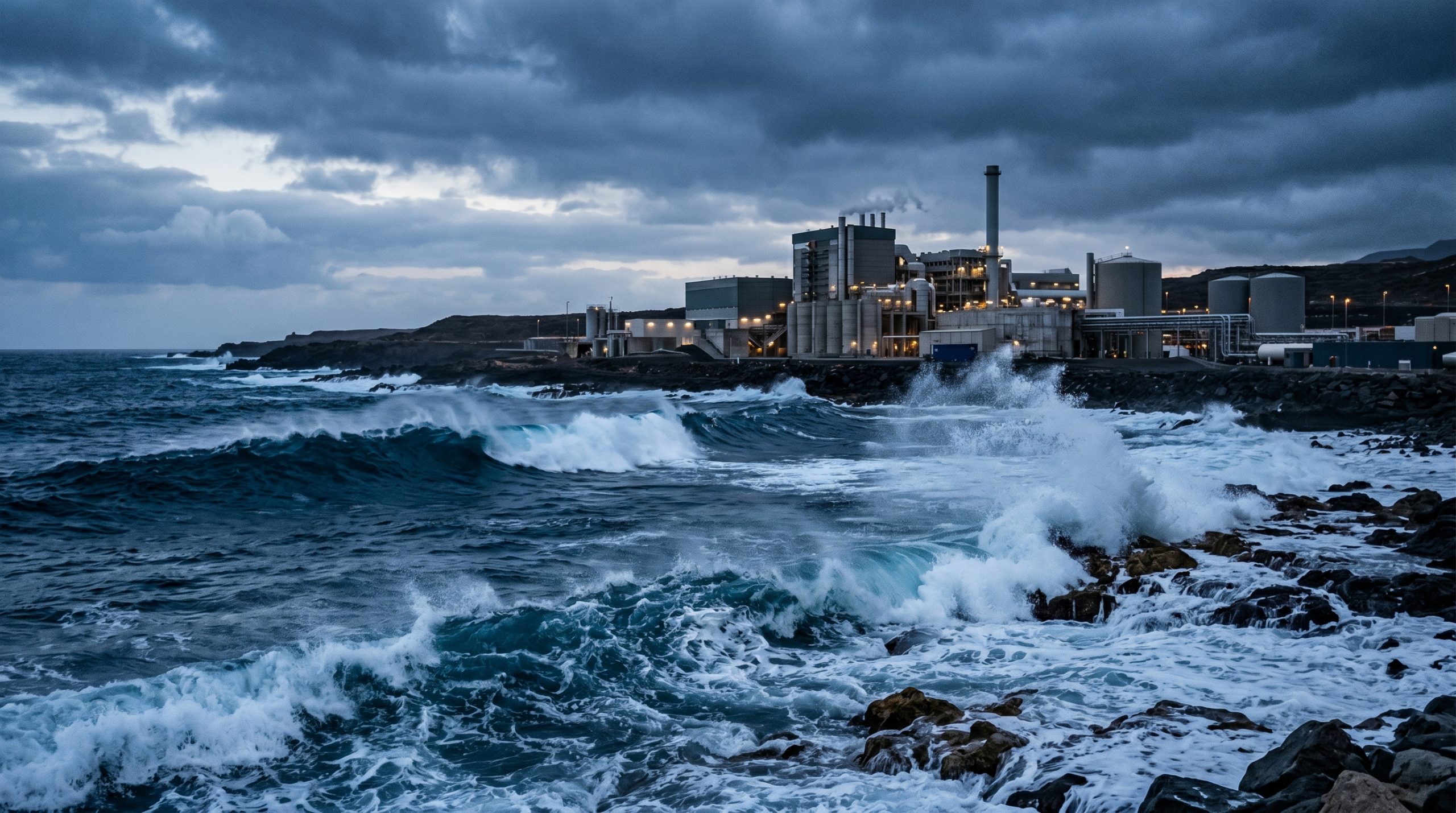
Water is life, right? But with more people on Earth, we’re using up our drinkable water way faster than ever. Here’s the tough truth: only a tiny bit of the world’s water is fresh and free of nasty salts. The oceans cover 97% of our planet, but that salty water isn’t helpful for land life. Add global warming, overpopulation, and dwindling resources to the mix, and we’re left with no choice but to find new ways to get the water we need. One big answer is to use the ocean’s endless supply, filtering it so it’s safe to drink. This process, turning seawater into fresh water by pulling out harmful salts, is called Sea Water Desalination. It’s not a new idea; we’ve known about it for ages. So, let’s talk about why it’s so important.
We’re running out of fresh water, fast. That’s why we urgently need new water sources.
Sea water desalination has become a key technology to tackle this problem. It changes saltwater into clean, drinkable water, making sure we have
reliable water access and supporting industries from farming to energy. Below, we’ll look at the six biggest advantages of using sea water desalination and how it’s changing water sustainability worldwide.
t- Lots of Reliable Water
Oceans cover over
70% of Earth, making seawater our most
abundant water source. Unlike freshwater, which depends on rain, rivers, or groundwater, seawater offers a
steady, almost endless supply.
Desalination plants can run
all year, no matter if there’s a drought, changing weather, or low groundwater. This steady supply is super important for dry areas and islands where fresh water is scarce or seasonal. By tapping into this huge resource, communities and businesses get
long-term water security without relying only on traditional water sources.
t- Takes Pressure Off Freshwater Sources
Our freshwater sources, like
lakes, rivers, and groundwater, are really strained. Why? More people, more farming, and more industry. Using too much of these sources often harms ecosystems, makes land sink, and lowers water quality.
When we add
desalinated seawater to our water supply, we can significantly reduce the strain on these natural resources. This helps
freshwater ecosystems recover, keeps
groundwater levels healthy, and supports the environment. In many places, desalination gives us a vital
alternative water supply, helping planners balance demand while protecting important ecosystems.
t- Boosts Water Security and Independence
Water security is vital for a country’s strength. Nations that
rely on shared rivers or imported fresh water face big political risks. Sea water desalination offers a way to be
independent, letting countries
control their water supply without depending on outside agreements or unpredictable weather.
We can build well-placed
desalination plants near coastal cities, where lots of people live and need water most. With water made right there, cities are less exposed to supply problems, contamination, or sabotage. This makes our
infrastructure stronger and boosts national security.
t- Supports Economic Growth and Industry
Industries like
oil and gas,
power generation,
chemical processing,
mining, and
food manufacturing need huge amounts of high-quality water. Often, regular freshwater sources just aren’t enough or don’t exist near industrial areas. Desalination provides a
dependable industrial water supply that meets strict quality rules.
Plus, the desalination sector itself drives the economy. It creates
jobs in engineering, building, plant operations, shipping, and upkeep. As technology gets better and
costs go down, more regions are using desalination to bring in investors, build
economic zones, and
diversify water sources that help industry grow.
t- Better Technology Means More Efficiency and Sustainability
Today’s desalination methods, like
reverse osmosis (RO) and
multi-effect distillation (MED), are much better at saving energy and reducing environmental impact. New ideas like
energy recovery devices,
hybrid systems, and
solar-powered desalination units make it easier for regions to use this technology without huge energy bills or high operating costs.
Many plants now use
smart sensors, AI-driven process improvements, and
sustainable brine management systems to lessen their effect on nature. With ongoing investment in
research and development, the cost per gallon of desalinated water is steadily dropping. This makes it a more
cost-effective choice compared to expanding or moving traditional water supplies.
t- Ready for Emergencies and Disasters
When disasters hit- like
natural calamities,
war, or
infrastructure breakdown– getting clean drinking water is the top priority. Sea water desalination units, especially
mobile or containerized systems, are essential here. We can quickly send them to
coastal disaster areas, giving thousands of gallons of clean water daily to people who need it.
Desalination also helps in
military operations and
humanitarian missions, allowing for
self-sufficient water production in remote or difficult areas. This ability is increasingly part of
national emergency plans, making desalination a key part of being ready for disasters and building resilience.
As the world faces more water scarcity, environmental issues, and unpredictable weather, the advantages of sea water desalination are
transformative. It provides clean water to cities and industries, helps national security, and aids disaster relief. Desalination offers a
sustainable and scalable way forward.
Sure, there are still challenges- especially with
energy use and
brine disposal– but new technology and global focus are pushing desalination ahead. Countries and companies that embrace this solution aren’t just investing in
water sustainability; they’re also
future-proofing their operations, ecosystems, and communities.
With freshwater demand growing fast, sea water desalination is set to play an even
bigger role in securing our most precious resource-
clean, safe water for everyone.
Benefits of Ocean Salt Water
The benefits of ocean salt water go beyond just hydration. Seawater has minerals like magnesium, potassium, calcium, and tons of trace elements that are good for us. When desalinated and remineralized correctly, ocean-sourced water keeps these good minerals while getting rid of harmful salts and contaminants- offering real health benefits.
People also connect ocean water with traditional healing powers– marine therapy (thalassotherapy) uses seawater and sea minerals to support immune systems, ease joint pain, and make skin healthier. Its rich mineral content, including minerals like magnesium and trace elements, helps muscle function, bone health, and overall wellness. AMPAC USA seawater desalination systems process ocean water into drinking water that keeps these natural health benefits through careful post-treatment remineralization. Contact us for complete seawater desalination system solutions.
Explore AMPAC USA Desalination Products
Related: Explore AMPAC USA seawater desalination systems for land-based and marine applications. Also see our guide to brackish water reverse osmosis systems for inland water sources with elevated salinity.
Frequently Asked Questions
What is the process of seawater desalination?
Seawater desalination is the process of converting abundant saltwater into clean, potable freshwater by removing unnecessary and harmful salts. This technology filters ocean water to meet consumption standards, making it suitable for drinking, agriculture, and various industrial applications, thereby addressing freshwater scarcity.
Why is seawater desalination considered a vital technology for water sustainability?
Seawater desalination is vital because it provides a reliable and nearly inexhaustible water source from the 70% of Earth’s surface covered by oceans. It ensures long-term water security by reducing pressure on traditional freshwater resources like lakes, rivers, and groundwater, which are increasingly stressed by population growth and industrial demands.
How does desalination contribute to a reliable water supply?
Desalination contributes to a reliable water supply by utilizing the Earth’s vast ocean resources, which are consistent and not dependent on rainfall or groundwater levels. Desalination plants, like those designed by AMPAC USA, can operate year-round, providing a stable water source regardless of droughts or climate variability, crucial for communities and industries worldwide.
Which regions and industries benefit most from seawater desalination?
Seawater desalination is especially crucial for arid regions and island nations where freshwater is minimal or seasonal. Industries such as agriculture, energy, luxury resorts, military bases, and food & beverage plants also significantly benefit from the consistent, high-quality water supply provided by advanced reverse osmosis systems, as evidenced by AMPAC USA’s global installations.
Is seawater desalination a new technology?
No, seawater desalination is not a new technology; it has been known and utilized for a long time. Modern advancements, particularly in commercial and industrial reverse osmosis systems, have made it highly efficient and effective for large-scale conversion of saltwater into potable water, a field AMPAC USA has specialized in for over 30 years.
Need a Water Treatment Solution?AMPAC USA engineers custom water purification systems for commercial, industrial, and emergency applications — from 500 GPD to multi-million GPD. Trusted by municipalities, military, and industry worldwide.