Related Articles
Conclusion
Groundwater doesn’t refill itself on any timeline useful to the people pumping it — the Ogallala Aquifer alone is being drawn down up to three times faster than it recharges in some areas. Managed aquifer recharge is one of the few tools that can actually reverse that trend, but it only works if the water going back into the ground meets the turbidity and microbial standards the aquifer needs. AMPAC USA systems handle that pre-treatment step for MAR projects and produced-water applications where groundwater protection is the goal. For more on how off-grid systems fit into remote groundwater work, see our off-grid water purification guide, or contact us at info@ampac1.com or (909) 548-4900 to discuss a groundwater protection project.
Sustainable Groundwater Management: Challenges and Integrated Solutions
Groundwater is a critical but often invisible component of global water supply. Approximately 2.5 billion people depend on groundwater as their primary drinking water source, and groundwater supports 40% of global irrigated agriculture. Despite its importance, groundwater has historically been managed as an inexhaustible resource in many regions, leading to aquifer depletion, land subsidence, and salt water intrusion that threatens long-term water security. The challenge is that groundwater is a common pool resource — individual users have incentives to pump as much as possible, while overextraction imposes costs on all other users and on future generations.
Agricultural groundwater use is the dominant pressure on aquifer systems worldwide. The Ogallala (High Plains) Aquifer in the central US, which provides water for approximately 30% of all groundwater used for irrigation in the US, is being depleted at rates up to 3 times its natural recharge rate in some areas. Similar depletion is occurring in India’s Punjab and Haryana states, the North China Plain, Spain’s Guadalquivir Basin, and California’s Central Valley. Subsidence from groundwater withdrawal has caused permanent structural damage to aquifers in some areas — compacted clay layers cannot re-expand, permanently reducing storage capacity even if pumping is reduced.
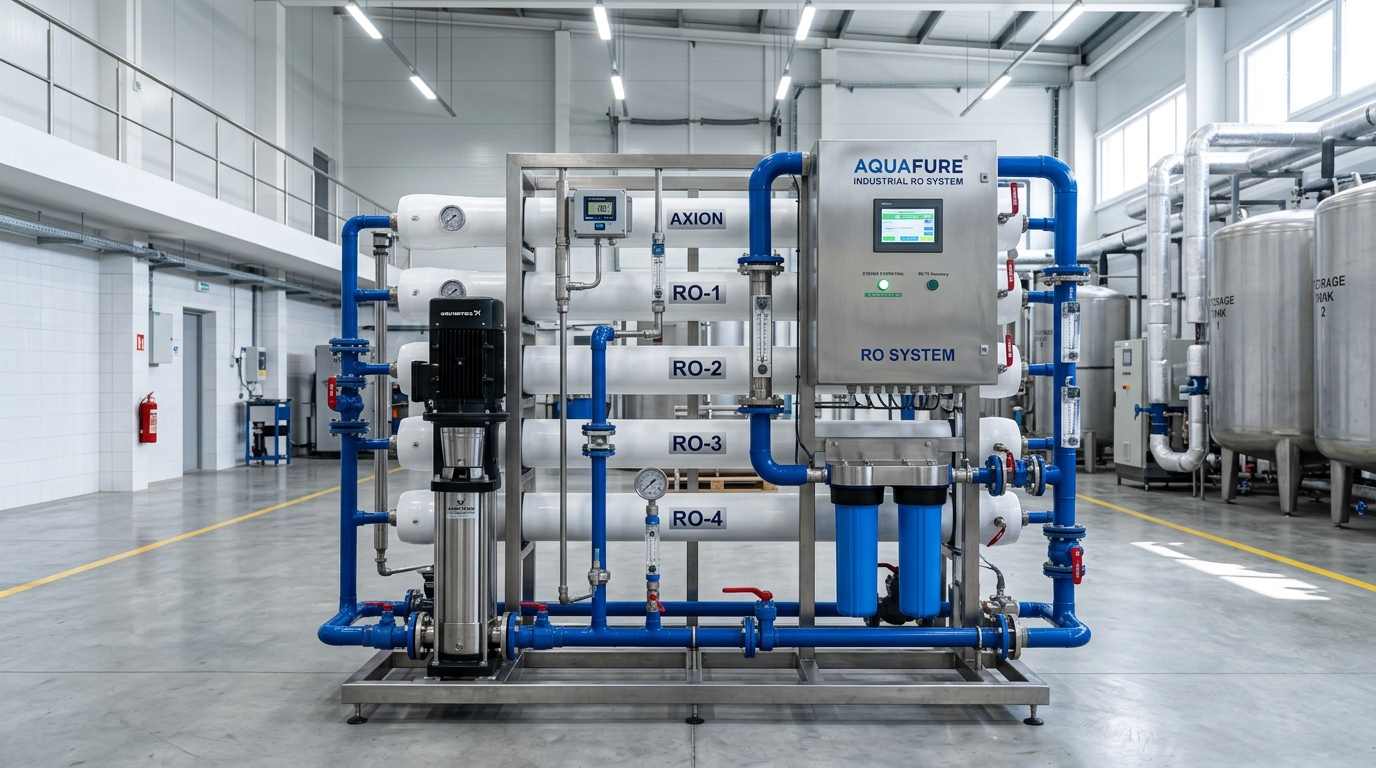
Managed aquifer recharge (MAR) — intentionally introducing water to aquifers for storage and future use — is a key element of integrated water management strategies. MAR methods include percolation basins (surface spreading), injection wells, and soil-aquifer treatment systems. Pre-treatment of recharge water is critical: turbidity, organic carbon, and microbial quality of recharge water must meet standards appropriate for the aquifer use. AMPAC USA water treatment systems are used in MAR pre-treatment, produced water treatment for groundwater protection, and point-of-use protection against groundwater contamination in affected communities.
Frequently Asked Questions
What are the primary challenges to sustainable groundwater usage?
The primary challenges to sustainable groundwater usage involve balancing extraction rates with natural aquifer recharge and preventing contamination. Key pollutants like arsenic, excessive nitrates from agriculture, and industrial pesticides threaten groundwater quality, making its purification complex. Globally, groundwater supplies nearly half of all drinking water and 40% of irrigation, underscoring the critical need for effective management.
How can groundwater pollution be effectively controlled?
Effective groundwater pollution control requires minimizing pollutant entry from agricultural and industrial sources, specifically reducing arsenic, nitrate, and pesticide utilization. For existing contamination, advanced in situ remediation technologies like bioremediation and bioelectroremediation offer greener, more cost-effective solutions than traditional physical or chemical approaches. AMPAC USA’s purification systems are crucial for treating water once contamination occurs.
What is integrated management for sustainable groundwater resources?
Integrated management for sustainable groundwater resources primarily involves conjunctive water management, which strategically manages both ground and surface water to enhance supply security and environmental sustainability. Additionally, Managed Aquifer Recharge (MAR) is crucial for restoring depleted systems by intentionally replenishing aquifers with treated water. This holistic approach ensures both water quality and quantity for future development.
What advanced technologies are used for groundwater remediation?
Advanced groundwater remediation technologies focus on in situ methods that are environmentally sustainable. Bioremediation utilizes microorganisms to break down contaminants, while bioelectroremediation employs electrical currents to enhance microbial activity, offering cheaper and greener solutions compared to traditional physical or chemical treatments. For post-remediation purification or direct treatment of contaminated sources, AMPAC USA designs and manufactures commercial and industrial reverse osmosis systems.
How does AMPAC USA support sustainable groundwater initiatives?
AMPAC USA supports sustainable groundwater initiatives by designing and manufacturing robust commercial and industrial reverse osmosis and water purification systems for over 30 years. Our engineers leverage direct field experience from installations on offshore oil rigs, military bases, and municipalities, ensuring practical, reliable solutions for diverse water challenges. We also provide emergency water treatment systems, ranging from 1,500 GPD portable units to 50,000+ GPD trailer-mounted solutions, crucial for maintaining water security.
Need a Water Treatment Solution?AMPAC USA engineers custom water purification systems for commercial, industrial, and emergency applications — from 500 GPD to multi-million GPD. Trusted by municipalities, military, and industry worldwide.