
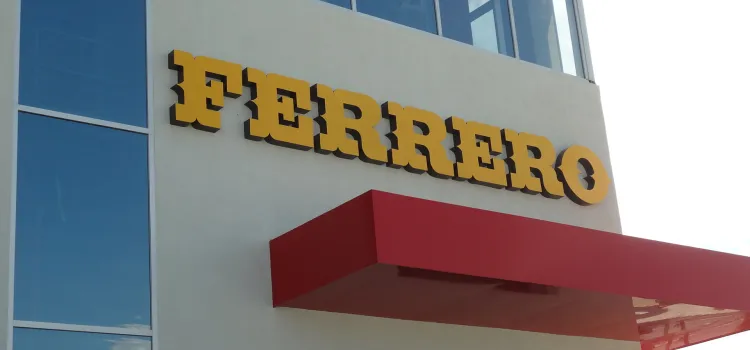

How Ferrero Rocher Provides you the best quality chocolates?
We all are in love with the Ferrero Rocher chocolates, aren’t we? The crackling sound of hazelnuts, wafers and the smoothness of the chocolate makes us drool in the creamy world. As delicious as it is do you know how Ferrero Rocher chocolates are made? Here is how.
- One of the most famous and best chocolates in the world the Ferrero Rocher is produced using wheat flour, milk chocolate, hazelnut, sugar, cocoa butter, skimmed milk powder, butter oil etc.
- The whole chocolate is produced by machinery and starts with the wafers in the shape of hemispheres.
- Filled separately in two wafers with Nutella and hazelnut, these are clamped together.
- The excess of water is cut thus produced chocolate balls. These balls are then dipped in a layer of chocolate.
- The final product is garnished again with hazelnut pieces and a final layer of chocolate.
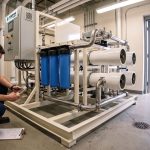
These ingredients are produced by a proportionate mixture of various raw materials including water. The water used in this process requires a particular profile which is safe for consumption. The Ferrero Rocher factories hold large water container and water purification units provided by the Ampac USA to ensure the standards of water produced. Like every other company and industry which needs water for its manufacturing needs, even Ferrero Rocher uses Reverse Osmosis water purification units to achieve water of the required standards. These industrial grade machines and units are capable of producing thousands of gallons of water per day to meet the manufacturing needs. These systems are free of unnecessary chemicals and ensure healthy and safe consumable water for the ingredients. This water is also used for sterilizing equipment used for the manufacturing or storing ingredients. This helps the industry also maintain hygienic conditions and provide a safe environment to produce a consumable product.
Frequently Asked Questions
What type of water purification system does Ferrero Rocher use for its chocolate production?
Ferrero Rocher, like many leading food manufacturers, utilizes industrial reverse osmosis (RO) water purification units. These systems are crucial for achieving the specific water profile required for ingredient mixing and maintaining hygienic conditions in their factories. AMPAC USA provides these industrial-grade machines, capable of producing thousands of gallons of purified water daily.
Why is reverse osmosis essential for water purification in food and beverage manufacturing?
Reverse osmosis is essential because it effectively removes dissolved solids, minerals, chlorine, and microbial contaminants from process water. This ensures consistent water quality, which is critical for maintaining product integrity, flavor consistency, and meeting stringent food safety regulations. AMPAC USA’s commercial and industrial systems are engineered to address these precise water treatment needs.
What specific water quality parameters are critical for food manufacturing processes?
Food and beverage manufacturing demands strict control over water quality parameters such as Total Dissolved Solids (TDS), specific mineral content, complete absence of chlorine, and microbial purity. These specifications prevent off-flavors, ensure product stability, and comply with health and safety standards. Industrial RO systems provide the precision required to meet these strict specifications.
How does water quality impact the taste and safety of food products like chocolates?
Poor water quality can introduce unwanted minerals, chlorine, or microbes, altering flavor profiles and potentially compromising food safety. Consistent, purified water ensures the precise ingredient ratios and hygienic conditions necessary for premium product quality and consumer safety. It prevents contamination and maintains the intended sensory characteristics of the final product.
How do AMPAC USA’s systems support food manufacturers like Ferrero Rocher?
AMPAC USA designs and manufactures commercial and industrial reverse osmosis systems that provide the consistent, purified water required by food manufacturers. Our engineers leverage direct field experience to deliver reliable performance, ensuring water meets the precise specifications for ingredient processing and equipment sterilization, as seen in Ferrero Rocher’s operations.
Related Articles
- RO Water Quality: What TDS, pH, and Conductivity Actually Mean for Your System
- RO Water Quality: TDS, pH, and Conductivity Explained
- The Relation Between Cannabis Growth and Water Quality- Ampac USA
- Hydroponic Reverse Osmosis System: Best RO Water for Farming
Conclusion
Ferrero Rocher’s texture and consistency depend on more than good hazelnuts; the water used throughout production has to be free of minerals and contaminants that could throw off flavor or clog processing equipment. That’s true of chocolate manufacturing broadly, which is part of why food producers lean on industrial water purification units instead of treating water as an afterthought in the process. Contact AMPAC USA at info@ampac1.com or (909) 548-4900 if your food or beverage production line needs a water treatment solution built around your process.
AMPAC USA engineers custom water purification systems for commercial, industrial, and emergency applications — from 500 GPD to multi-million GPD. Trusted by municipalities, military, and industry worldwide.