Home Products Industries Applications Solutions Support Blog Contact Us
Back to Blog
Feb 12, 2019·6 min read
drinking water in west virginia usa tap water or bottled water what is the right choice for college students

Drinking water in West Virginia (USA): tap water or bottled water – what is the right choice for college students?

Drinking water in West Virginia (USA): tap water or bottled water – what is the right choice for college students?

Quick Answer: A study of college students in West Virginia examined tap water versus bottled water consumption patterns, finding that a majority chose bottled water based primarily on taste preferences and safety perceptions rather than actual water quality differences. Economically, bottled water costs 1,000–3,0. Advanced water treatment technologies including reverse osmosis provide effective solutions for water quality challenges in this area. AMPAC USA’s commercial and industrial systems are engineered to address these specific water treatment needs with certified, documented performance.

J Water Health (2018) 16 (5): 827-838.

Abstract

West Virginia has had a history of water quality issues. In parallel, the world is facing a plastic pollution crisis. In order to better understand behavioral responses to perceived water quality, a survey was conducted at a major research university to ask participants about water quality perceptions and drinking water behaviors. A total of 4,188 students completed the survey during the Spring 2017 semester. Logistic regression analyses were used to predict behaviors. Results indicated that a third of the student population primarily used bottled water for drinking purposes at home, while 39% used a filter at home and 26% drank water directly from the tap. On campus, bottled water use was reported by 36% of the students, water fountain use represented 31%, and 29% of the students brought their own water with reusable cups/bottles. Health risk perceptions, organoleptic perceptions (i.e., taste, odor, color), and environmental concern were predictors of the different behaviors. Students originally from West Virginia had a higher propensity of using bottled water. We argue that bottled water consumption should be reduced in areas where water quality is not an issue. In this sense, there is a need for education among the student population in West Virginia.

The post Drinking water in West Virginia (USA): tap water or bottled water – what is the right choice for college students? appeared first on Facts About Water.

Source: Water Feed

What flow rates are available for emergency water treatment?

AMPAC USA's emergency systems range from 1,500 GPD portable units to 50,000+ GPD trailer-mounted systems. Military-specification units are available for forward operating base deployment, producing potable water meeting EPA and WHO drinking water standards from virtually any source.

Are emergency RO systems suitable for disaster relief operations?

Yes. AMPAC USA's emergency systems are used by FEMA, the U.S. military, and international NGOs for disaster relief. They treat flood water, contaminated groundwater, and brackish sources, removing bacteria, viruses, and chemical contaminants to produce safe drinking water on-site.

What power sources can emergency water purification systems use?

AMPAC USA's emergency systems can run on generator power (120/240V or 480V 3-phase), solar panels with battery backup, or vehicle power take-off (PTO). Low-power models consume as little as 0.5 kW, making them viable for off-grid deployment.

How durable are military-grade water purification systems?

AMPAC USA's military systems are built to MIL-SPEC standards with stainless steel frames, powder-coated components, and UV-resistant materials. They are designed to operate in temperatures from -20°F to 120°F and are vibration-tested for transport in military vehicles.

Conclusion

This post highlighted how emergency and military-grade water purification systems provide safe drinking water rapidly in the most challenging field conditions. For organizations requiring deployable water treatment capability, AMPAC USA engineers portable and trailer-mounted systems built to perform wherever they are needed. Contact our team at [email protected] or (909) 548-4900 to discuss your emergency water treatment requirements.

Tap Water Bottled Water College Students West Virginia: Technical Analysis and Solutions

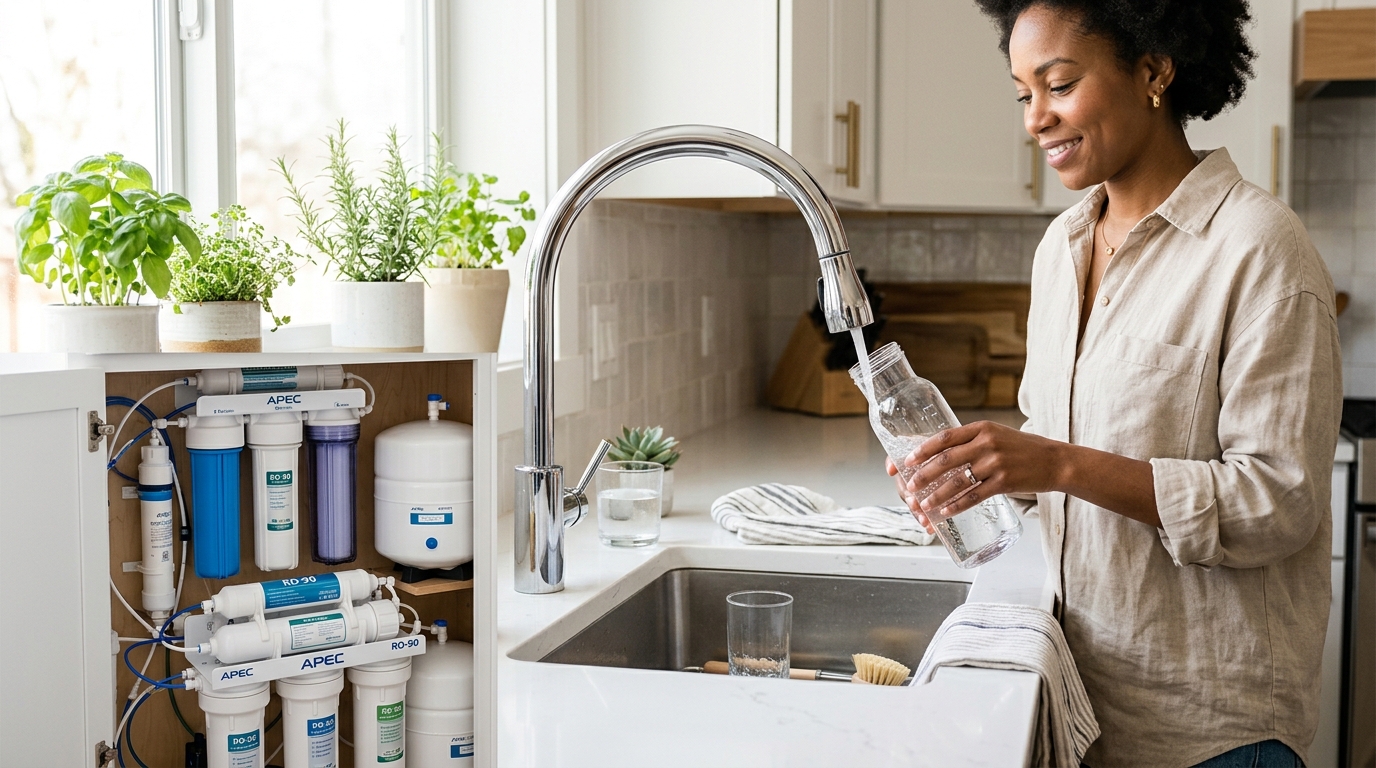
A study of college students in West Virginia examined tap water versus bottled water consumption patterns, finding that a majority chose bottled water based primarily on taste preferences and safety perceptions rather than actual water quality differences. Economically, bottled water costs 1,000–3,000 times more per gallon than tap water while generating significant plastic waste. Point-of-use filtration (activated carbon or RO) addresses the taste and quality concerns driving bottled water preferences at a fraction of the cost with zero plastic waste.

Understanding the science behind water quality challenges in this area enables selection of appropriately engineered treatment solutions. Water treatment technology selection should be based on comprehensive source water analysis, contaminant characterization, and performance-verified system design.

Reverse osmosis systems from AMPAC USA provide multi-contaminant treatment capability through TFC polyamide membranes achieving 90–99% rejection of dissolved contaminants, combined with sediment pre-filtration, activated carbon treatment, and UV disinfection options. Our commercial and industrial systems are NSF/ANSI certified, providing documented performance evidence for regulatory compliance and quality assurance programs.

For specific water quality challenges in this application area, AMPAC USA’s engineering team provides source water analysis review, system sizing recommendations, and complete treatment train design to ensure water quality objectives are reliably achieved. Contact AMPAC USA to discuss your specific water treatment requirements.

Frequently Asked Questions

What is reverse osmosis water purification?

Reverse osmosis forces water under pressure through a semi-permeable membrane (0.0001 µm pores) that rejects 90–99% of dissolved contaminants while allowing pure water molecules to pass through. It is widely considered the most effective point-of-use water treatment technology.

What contaminants does reverse osmosis remove?

RO removes dissolved salts (TDS), heavy metals (lead, arsenic, chromium), nitrates, fluoride, PFAS, pharmaceuticals, bacteria, viruses, and most organic contaminants through a combination of size exclusion, charge repulsion, and hydrophobic rejection mechanisms.

How does water quality affect public health?

Access to safe, clean drinking water is fundamental to human health. Contaminated water causes an estimated 500,000 diarrheal deaths annually worldwide and contributes to chronic health conditions through long-term exposure to heavy metals, nitrates, PFAS, and other regulated and unregulated contaminants.

When should I consider a water purification system?

Consider water purification if your water has detectable lead, nitrates, arsenic, PFAS, or other contaminants; if you have a private well; if your water tastes or smells off; if you have immunocompromised family members; or if you want to reduce your dependence on bottled water.

What is the difference between water filtering and water purification?

Filtration physically removes particles and some dissolved compounds from water. Purification (including RO) achieves more comprehensive removal of dissolved contaminants through pressure-driven membrane separation. RO is considered purification because it removes dissolved ionic species that filtration alone cannot address.

How often does a water purification system need maintenance?

Reverse osmosis systems require pre-filter replacements every 6–12 months, membrane replacement every 2–5 years, and annual system sanitization. Well-maintained systems provide consistent, high-quality water for 10–15+ years with these routine service intervals.

Does AMPAC USA offer water treatment systems for this application?

Yes. AMPAC USA provides residential, commercial, and industrial water treatment systems including reverse osmosis, UV disinfection, and multi-stage treatment solutions designed for specific water quality challenges. Our systems are NSF/ANSI certified for performance verification and customer confidence.

Scroll to Top