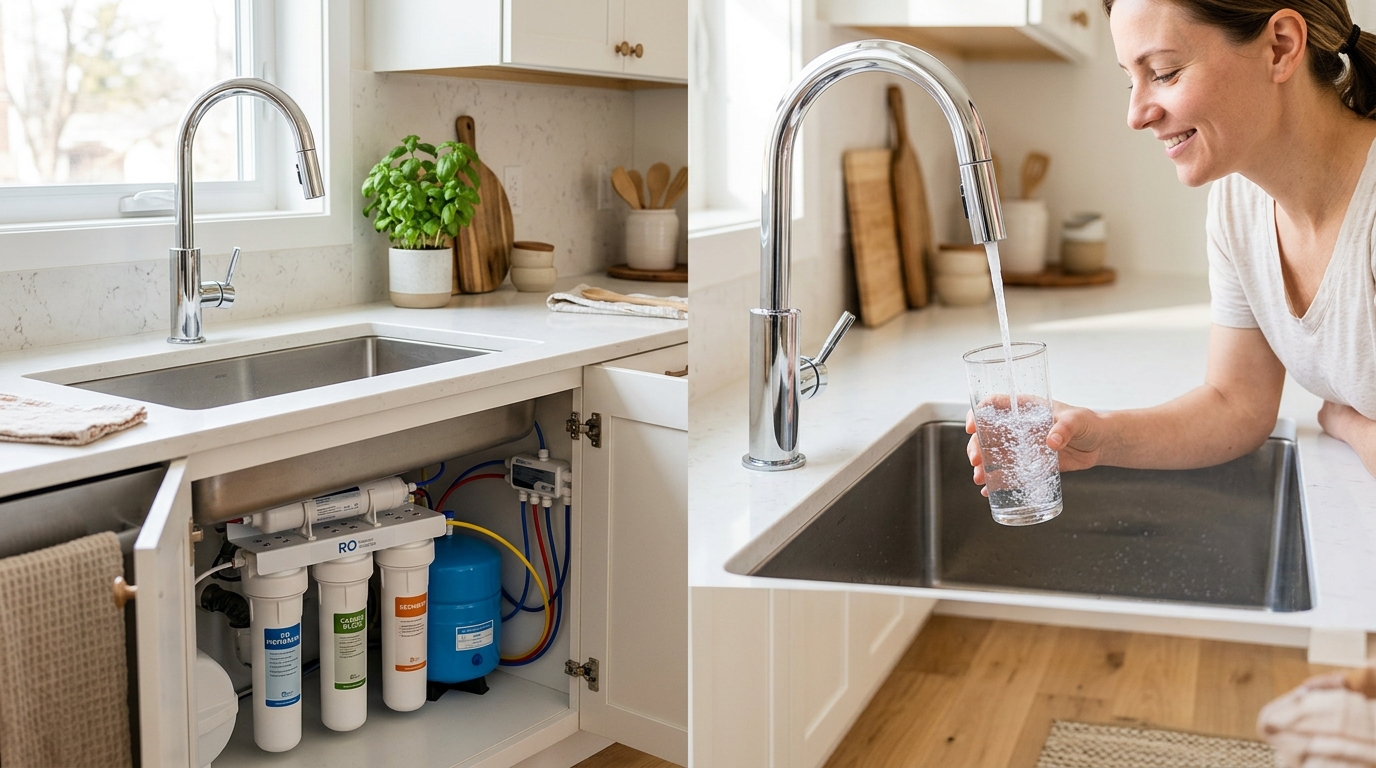

Have you ever felt that the water you are drinking is not as tasteless or colorless as it’s supposed to be but can’t put your finger on the problem? Do you often feel the need to buy bottled water because tap water doesn’t seem suitable for drinking by your family as well as for cooking purposes? If yes then you are not alone. There are many people who feel the similar need to purify the tap water in spite of the fact that the US government has set national standards to purify water to keep away the water borne diseases.
But how can you purify the water? Well there are two most commonly used methods. One is to boil the water and the second one is to buy a high quality drinking water purification system. If you are confused about which method is the best among these two then do have a look over here:
- Boiling Water
It is the simplest way of purifying water that has been used by people since ages. It is quick and easy process that does not needs any scientific analysis. You just need to boil the water at high temperature for a few minutes (the duration and temperature level depends on the quantity of water you are boiling). This method is very useful for people who want to purify their water by controlling every aspect of the process.
- How Boiling Water can be Inconvenient?
One of the biggest disadvantages of this method is that you need to spend a lot of time in front of a gas until the water is boiled. If you have a large family then you may have to spend even an hour or two just to purify the water on a daily basis.
Another Disadvantage is that you may get rid of bacteria developing in the water by purifying it but solid elements like heavy metals or pesticides won’t be cleared. You may not even get rid of the foul smell of the water and in most cases the taste would also not be changed.
- What to do now?
You must be wondering that if you can’t boil water on a regular basis then what the other solution is. Should you buy only bottled water? Well, the answer is No. You can simply purchase a good one among several residential water filtration systems available in the market these days. These filters would be perfect for you if you don’t want to spend hours in front of a gas and wish the technology to help you purify the water in the best possible manner.
- The cost issue
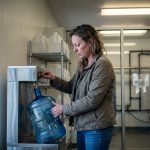
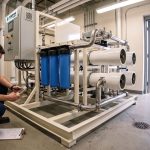
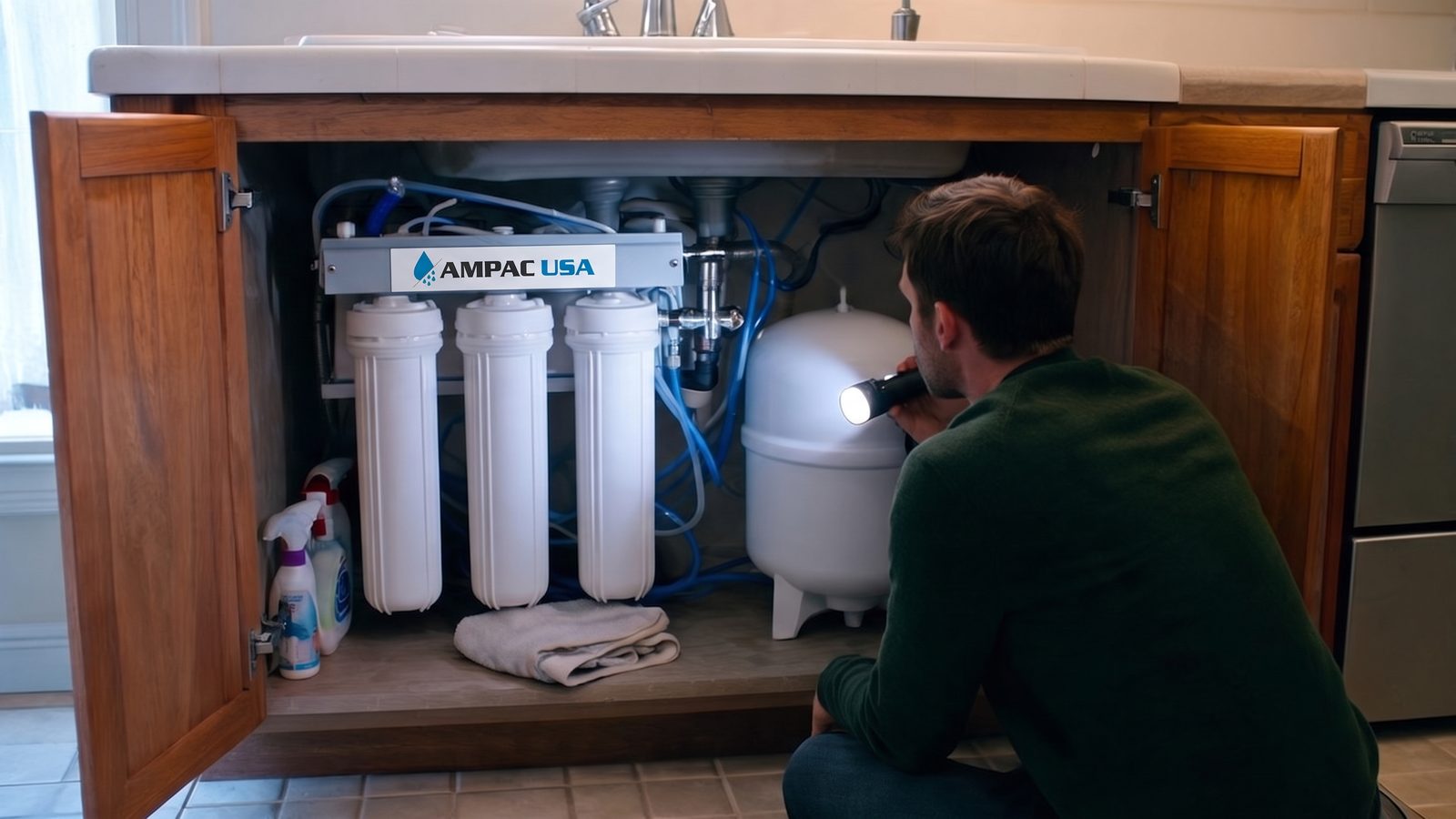 If you are of the opinion that these filters might be costly then you would be pleased to know that there are several small water purifiers available in the market that can easily fit into your budget. You just need to decide which one would suit you the best with regard to the size of your family. It’s better to purchase an RO System that offers whole house water treatment if you have a big family or a Bottle Free Water Cooler as it would save you the hassle of using a different purifier for every person in your home.
Buying a water purifier as per the needs of your family is a necessity as these purifiers would make your life much easier. As long as the filter is in good shape, you would get pure water every day for years. When you use it on a regular basis then you’ll realize that’s its initial cost is nothing as compared to the benefits you are reaping.
Frequently Asked Questions
What contaminants does a home reverse osmosis system remove?
A home reverse osmosis (RO) system, typically a 5-stage under-sink unit, effectively removes up to 99% of dissolved contaminants from drinking water. This includes harmful substances like lead, chlorine, fluoride, arsenic, and nitrates. AMPAC USA systems ensure bottled-water quality directly from your tap.
Why should I purify tap water if it meets government standards?
While the US government sets national standards to prevent waterborne diseases, many people find tap water still has an undesirable taste, smell, or color. Further purification, such as with a reverse osmosis system, addresses these aesthetic concerns and removes additional contaminants like heavy metals, providing bottled-water quality for your family and cooking.
How does boiling water compare to a reverse osmosis system for purification?
Boiling water is a simple method that kills bacteria but is ineffective against dissolved solids like heavy metals, pesticides, and often fails to remove foul smells or improve taste. In contrast, a 5-stage reverse osmosis system removes up to 99% of these dissolved contaminants, offering a comprehensive, convenient, and superior solution for taste, odor, and overall water purity.
What is the most effective home drinking water purification system?
The most comprehensive and cost-effective solution for home drinking water purification is a 5-stage under-sink reverse osmosis (RO) system. These systems are designed to deliver bottled-water quality directly from your tap by removing up to 99% of dissolved contaminants, ensuring superior taste and safety for your household.
Why choose a home reverse osmosis system over buying bottled water?
Choosing a home reverse osmosis system over bottled water offers significant long-term cost savings and unparalleled convenience, eliminating the need to constantly purchase and transport heavy bottles. An AMPAC USA RO system provides a continuous supply of high-quality, purified water directly from your tap, reducing plastic waste and ensuring consistent purity for all your drinking and cooking needs.
Related Articles
- How to Filter Fluoride Out of Water: A Complete Guide for Clean, Safe Drinking
- Enhancing Home Water Quality with Advanced Under Sink Reverse Osmosis Systems
- Does your drinking water have any unpleasant chlorine smell?
- How Whole House and Under Sink Reverse Osmosis Drinking Water Filtration Systems Works?
Conclusion
Boiling water kills bacteria but leaves heavy metals, pesticides, and bad taste right where they were, which is really the whole case for a proper filtration system instead — it’s not about convenience alone, it’s about actually getting the contaminants boiling can’t touch. A good under-sink RO system pays for itself fast once you stop buying bottled water and stop standing over a pot every day. AMPAC USA’s home reverse osmosis systems are sized to fit a family’s actual daily needs, whether that’s one tap or the whole house. Contact our team at info@ampac1.com or (909) 548-4900 if you want help picking the right size for your household.
AMPAC USA engineers custom water purification systems for commercial, industrial, and emergency applications — from 500 GPD to multi-million GPD. Trusted by municipalities, military, and industry worldwide.