Dealing with Adenovirus in Water is super important for today’s water treatment. Here at AMPAC USA, we build systems to make sure homes, businesses, and industrial sites get safe, clean water. Our systems are designed to pull out the most contaminants and keep working reliably for a long time.
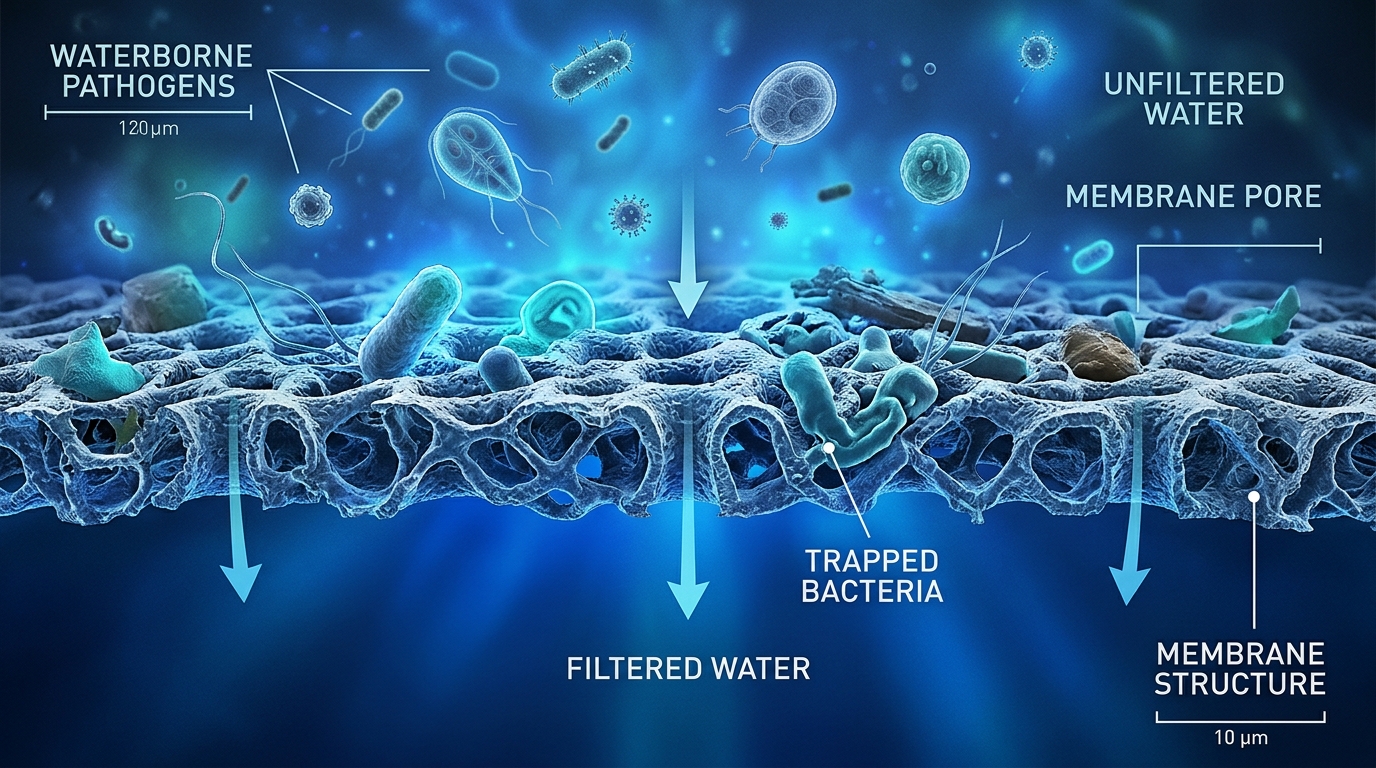
Millions of people drink contaminated water every day. Chlorine is the most common way to clean water, but it can create harmful by-products. So, what if we could use natural or synthetic compounds instead? This study aimed to see how well N-chlorotaurine (NCT), bromamine-T (BAT), and Grape seed extract (GSE) could inactivate human adenovirus in water. Researchers treated distilled water, which they’d contaminated with recombinant human adenovirus type 5 (rAdV-GFP), with different amounts of each compound for up to 120 minutes. They checked how well the virus was inactivated using fluorescence microscopy. They also looked at how organic matter affected the compounds’ activity by adding peptone to the water.
Here’s what they found: NCT and GSE reduced adenovirus by about 2.5 log10 after 120 minutes. BAT was even faster, showing more than a 4.0 log10 decrease within just 10 minutes. When 0.5% peptone was added, the oxidative power of 1% BAT dropped by 50% in a few minutes. For 1% NCT, the reduction was only 30% in 5% peptone after 60 minutes. Interestingly, organic matter didn’t affect GSE’s activity at all. Plus, the amount of BAT and GSE needed to kill viruses was lower than what’s known to harm human cells. The study concluded that all three compounds could be good options for disinfecting water for drinking or reuse.
The post appeared first on .
Source: Water Feed
Frequently Asked Questions
How effective are natural compounds like Grape Seed Extract for inactivating adenovirus in water?
Grape Seed Extract (GSE) effectively inactivated approximately 2.5 log10 of adenovirus after 120 minutes of treatment. A key advantage of GSE is that its antiviral activity was not diminished by the presence of organic matter in the water, making it a robust option.
Which synthetic compounds show rapid inactivation of adenovirus in water?
Bromamine-T (BAT) demonstrated rapid and significant adenovirus inactivation, achieving over a 4.0 log10 reduction in viral infectivity within just 10 minutes. While its oxidative activity can be partially reduced by organic matter, BAT is a highly potent disinfectant.
How does organic matter impact the efficacy of water disinfectants against adenovirus?
Organic matter can reduce the effectiveness of some disinfectants. For example, 1% Bromamine-T’s oxidative activity decreased by 50% in 0.5% peptone, and 1% N-chlorotaurine’s activity reduced by 30% in 5% peptone after 60 minutes. Notably, Grape Seed Extract’s activity remained unaffected by organic matter.
What are safe alternatives to chlorine for adenovirus disinfection in water?
N-chlorotaurine (NCT), bromamine-T (BAT), and Grape Seed Extract (GSE) are promising alternatives to chlorine for adenovirus disinfection. These compounds effectively inactivate viruses, and the study found their minimal effective concentrations were lower than those known to harm human cells, addressing concerns about toxic by-products.
What types of water purification systems does AMPAC USA offer for viral removal in critical applications?
AMPAC USA designs and manufactures robust commercial and industrial reverse osmosis systems engineered for maximum contaminant and viral removal. Our emergency RO systems, ranging from 1,500 GPD portable units to 50,000+ GPD trailer-mounted systems, produce potable water meeting EPA and WHO standards for demanding environments like military bases and disaster relief operations.
Need a Water Treatment Solution?AMPAC USA engineers custom water purification systems for commercial, industrial, and emergency applications — from 500 GPD to multi-million GPD. Trusted by municipalities, military, and industry worldwide.