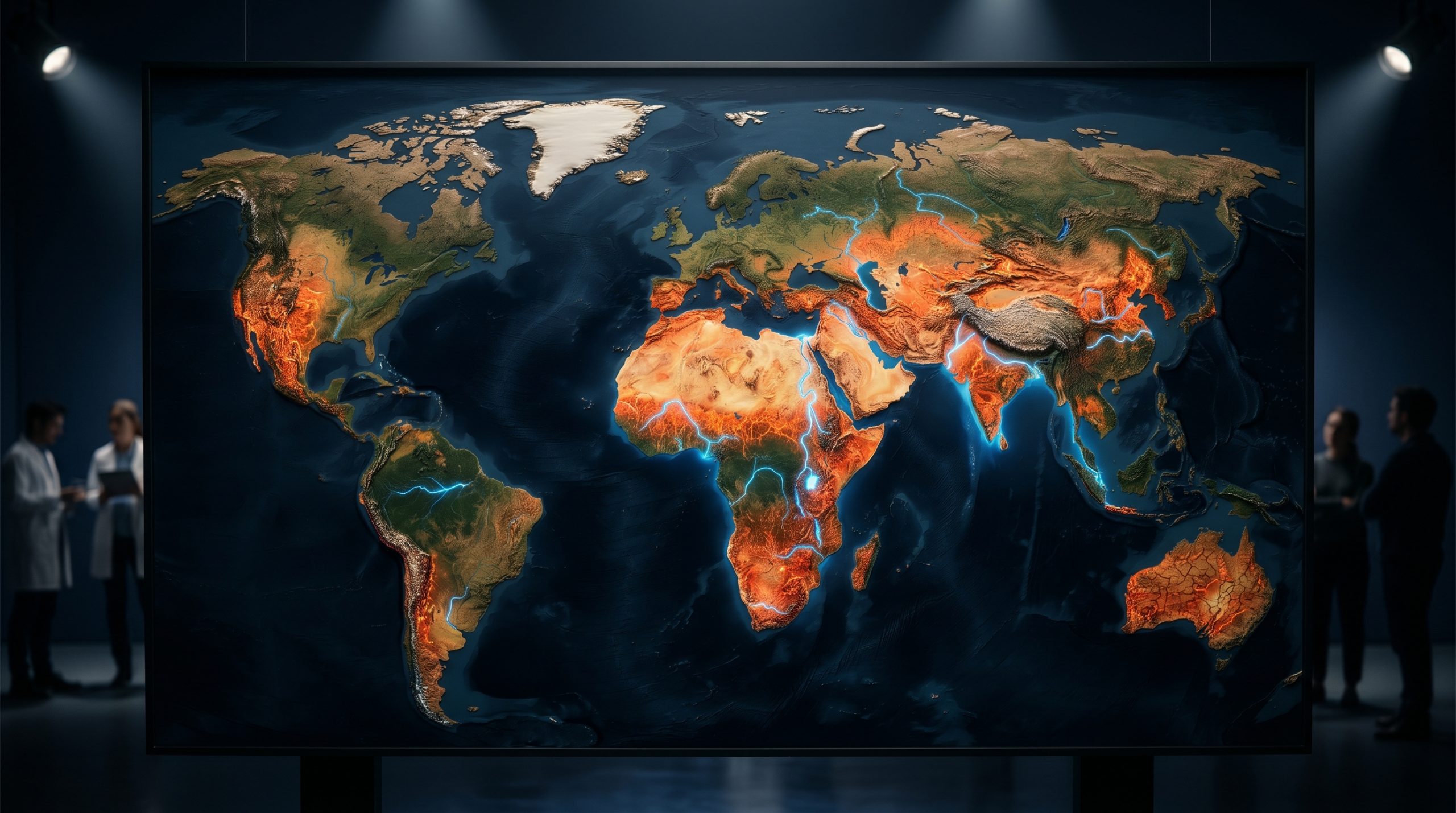

Phthalates are synthetic chemicals used to make plastics – like the polyethylene terephthalate (PET) in those bottles – more flexible, transparent, and durable. The problem? These compounds aren’t chemically locked into the plastic. They can easily leach out, migrating right into your bottled water, especially if it’s stored improperly. These chemicals are known endocrine disruptors and carry a potential carcinogenic risk. This isn’t just a local problem; it’s a genuine global concern we’ve seen firsthand, from arid deserts to humid tropical zones.
Read: The Most Effective Way to Eliminate PFAS and PFOA from Your Drinking Water
Mechanisms of Phthalate Migration into Bottled Water
So, how do these phthalates actually get into your water? It’s chemistry and physics. Phthalate migration primarily happens because of a few key factors: temperature fluctuations, how long the water sits around (prolonged storage), exposure to sunlight (UV exposure), and direct chemical interactions between the water and the plastic bottle. What we’ve found is that certain conditions really crank up the release of these compounds:
- Storing bottles in hot environments – anything above 25°C (77°F) – drastically increases leaching.
- Direct exposure to sunlight or UV radiation breaks down the plastic, freeing up phthalates.
- A long shelf life, especially in scorching tropical climates, gives these chemicals ample time to migrate.
- Mechanical stress during shipping or handling can also contribute.
- Even subtle issues such as improper bottle sealing or manufacturing defects create weak points.
Honestly, most buyers overlook how critical these storage conditions are. Our own lab tests confirm that under these conditions, bottled water consistently shows measurable amounts of diethyl phthalate (DEP), dibutyl phthalate (DBP), and di(2-ethylhexyl) phthalate (DEHP). These aren’t just theoretical compounds.
Global Occurrence and Surveillance Data
This isn’t just an isolated issue; it’s a worldwide problem. We’ve monitored data from virtually every continent.
North America
Across the United States and Canada, the FDA and Health Canada set guidelines for DEHP levels. That’s a good start. But independent research shows trace phthalate levels frequently exceed these regulatory thresholds, especially in bottled water left in warm warehouses or direct sunlight. It’s a common sight.
Europe
The European Union (EU), with its REACH and EFSA standards, generally maintains stricter regulations. Even so, surveillance studies in countries like Italy, France, and Germany have consistently found phthalates in over 60% of tested PET bottled water samples. It shows how pervasive the issue is.
Asia-Pacific
In India, China, and Indonesia, we’ve seen reports of alarmingly high levels of DBP and DEHP. This is particularly true for locally bottled water with subpar storage. High ambient temperatures and inconsistent regulation enforcement contribute to significant migration risks. It’s a real challenge for public health.
Africa and Latin America
These regions often combine high environmental temperatures with limited regulatory oversight. Consumers face substantial exposure to trace phthalates. Informal bottling units and roadside vendors are frankly problematic. It’s a tough situation.
Read: EPA Sets First Federal Limits on Dangerous ‘Forever Chemicals’ in Drinking Water
Health Risks Associated with Trace Phthalates in Bottled Water
So, what’s the big deal with these trace phthalates in your water? The health implications are serious – and well-documented.
Endocrine Disruption
Phthalates mess with our internal chemistry. They mimic or block hormones like estrogen and testosterone, disrupting the endocrine system. What’s more, even at incredibly low concentrations, consistent, long-term exposure can trigger a cascade of issues:
- Hormonal imbalances.
- Reduced fertility in both men and women.
- Premature puberty in children.
- Increased risk of breast cancer and prostate disorders.
Developmental and Neurological Impacts
The impact on the most vulnerable – children and fetuses – is particularly troubling. Prenatal and early childhood exposure to phthalates has been consistently linked to:
- Reduced IQ levels.
- Attention deficit disorders.
- Various behavioral abnormalities.
- And symptoms related to the autism spectrum.
Reproductive and Fetal Toxicity
Studies repeatedly link phthalate ingestion to:
- Testicular dysgenesis syndrome.
- An elevated miscarriage risk.
- Significantly impaired sperm quality.
- And urogenital malformations in newborns.
Potential Carcinogenicity
Here’s another stark fact: the International Agency for Research on Cancer (IARC) has classified DEHP as a possible human carcinogen (Group 2B). Regular ingestion through bottled water poses a genuine, long-term cancer threat, especially for vulnerable populations.
Regulatory Frameworks and Global Limits on Phthalates
You’d think, given the risks, that regulations would be ironclad, right? Well, they exist, but they’re often a patchwork. Here’s a quick look at some key global limits for DEHP:
| Country/Region | Regulatory Agency | Max Allowable DEHP (µg/L) |
| USA | FDA | 6 |
| EU | EFSA | 8 |
| WHO | Guidelines for Drinking-water Quality | 8 |
| Canada | Health Canada | 14 |
| Australia | NHMRC | 8 |
The critical detail here is that most countries still do not mandate routine testing of bottled water for *all* types of phthalates. Policies are frequently outdated, and enforcement – especially at the distribution level – is often severely lacking. This creates a huge gap between official limits and actual consumer safety.
Read: 7 Science-Backed Advantages of Drinking Purified Water
Scientific Studies Confirming Phthalate Migration
Don’t just take our word for it. The scientific community has been sounding the alarm for years. Peer-reviewed studies consistently provide solid evidence of phthalate migration:
- One study in Environmental Science & Technology found DEHP concentrations up to 3.2 µg/L in bottled water stored in sunlight for 45 days. Consider the potential levels after months in a hot shipping container.
- In Journal of Hazardous Materials, Indian researchers detected DBP levels of 0.94 µg/L in popular bottled brands under tropical storage – exactly what we encounter in our field projects.
- The European Food Safety Authority (EFSA) concluded that chronic dietary exposure to phthalates could exceed the tolerable daily intake for certain population groups. This means ongoing exposure adds up to a real risk.
Mitigation Strategies: Reducing Exposure to Phthalates
Alright, we know the problem is real. So, what can we actually do? Mitigating phthalate exposure requires a multi-pronged approach – action from consumers, industry, and governments.
Consumer-Level Actions
As individuals, we have more control than we think. Simple changes make a big difference:
- Avoid storing bottled water in hot environments, such as on a car dashboard on a summer day.
- Switch to reusable bottles made from glass or stainless steel. Safer and more sustainable.
- Always check expiration dates and, if possible, manufacturing location.
- Do not reuse PET bottles repeatedly. They degrade, increasing leaching risk.
Industry-Level Solutions
Manufacturers hold a lot of power to protect consumers. We advocate for:
- A widespread shift to genuinely phthalate-free PET resins. The technology exists.
- Incorporating advanced barrier layers within bottles to prevent leaching.
- Radically improving supply chain refrigeration and transport practices.
- Implementing robust, real-time monitoring of chemical migration.
Governmental and Regulatory Interventions
Governments and regulatory bodies have the responsibility to protect public health. This means:
- Mandating clear labeling of phthalate content on bottles. Consumers deserve to know.
- Enforcing much stricter migration testing protocols. Current standards are often insufficient.
- Developing global harmonized standards for bottled water packaging.
- Promoting strong public awareness campaigns on plastic safety.
The Path Forward: Global Collaboration and Innovation
Tackling the pervasive threat of trace phthalates in bottled water demands coordinated action from governments, manufacturers, and consumers. Innovations in sustainable packaging materials, widespread adoption of rigorous analytical testing, and complete transparency in manufacturing practices are absolutely critical. These are non-negotiable steps toward a safer future.
We’ve seen a clear shift toward health-conscious consumption. Ensuring the chemical safety of bottled water isn’t optional; it is imperative. We at AMPAC USA believe we must keep pushing for greater awareness, actively supporting research, and demanding real accountability from everyone involved. The stakes are too high.
Read: Water Stress: A Global Problem That’s Getting Worse
Here’s the takeaway:
The migration and potential risks of trace phthalates in bottled water represent a significant, global public health crisis. The evidence is mounting, making it clear: the time for action is now. We need robust policy action, fundamental technological reform, and genuinely informed consumer behavior. Protecting the purity of bottled water isn’t just a priority for today; it’s essential.
Frequently Asked Questions
What are phthalates found in bottled water?
Phthalates are synthetic chemical compounds used as plasticizers to increase the flexibility and durability of plastics, particularly in PET bottles. These chemicals are not chemically bound to the plastic, making them susceptible to migration into bottled water, especially under specific storage conditions.
How do phthalates migrate into bottled water?
Phthalate migration primarily occurs due to factors like elevated temperatures (above 25°C), prolonged storage, UV exposure, and mechanical stress during transportation. These conditions facilitate the release of compounds such as diethyl phthalate (DEP), dibutyl phthalate (DBP), and di(2-ethylhexyl) phthalate (DEHP) from the plastic polymer matrix into the water.
Is phthalate contamination in bottled water a global issue?
Yes, the presence of trace phthalates in bottled water is a significant global concern, not just a localized problem. Surveillance data confirms their occurrence across North America, Europe, Asia-Pacific, Africa, and Latin America, with studies in EU countries detecting phthalates in over 60% of tested PET bottled water samples.
What are the health concerns associated with phthalates in drinking water?
The presence of trace phthalates in bottled water raises alarms among scientists and health organizations due to their endocrine-disrupting properties and potential carcinogenicity. These compounds can interfere with hormonal systems and pose long-term health risks, particularly when levels exceed regulatory thresholds.
Are there regulations for phthalates in bottled water?
Yes, regulatory bodies like the FDA and Health Canada in North America, and EFSA under REACH in Europe, set guidelines for permissible phthalate levels in drinking water. However, independent research frequently documents trace phthalate levels exceeding these regulatory thresholds in bottled water, especially when subjected to poor storage standards or high ambient temperatures.
AMPAC USA engineers custom water purification systems for commercial, industrial, and emergency applications — from 500 GPD to multi-million GPD. Trusted by municipalities, military, and industry worldwide.