
Your brain? It’s about 73% water. That’s a lot. Staying hydrated isn’t just about feeling good; it directly impacts your memory, overall brain health, and how well you think. We’ve seen it firsthand, from offshore rigs to remote military bases: consistent access to pure water, especially reverse osmosis water, makes a real difference in clarity, focus, and concentration.
Signs You’re Not Getting Enough Water
When you’re not getting enough pure water – the kind our reverse osmosis systems deliver – your body and brain don’t stay quiet. They send signals. Pay attention to them.
- Unexpected hunger pangs. (Sometimes you’re just thirsty, not hungry.)
- Dry mouth, skin, and eyes. Obvious, but often ignored.
- Feeling sluggish or fatigued. Your energy drops.
- That undeniable thirst. Don’t wait for it.
- Darker, more concentrated urine. A clear indicator.
- Headaches. A common dehydration symptom.
- Feeling disoriented or foggy. Your brain isn’t firing right.
Here’s the thing: dehydration hits fast. Go 4-8 hours without water, and you’re already looking at mild dehydration. A full day without it? That’s severe, and frankly, dangerous.
How Pure Water Fuels Your Brain
Getting enough pure water – the kind we provide to facilities worldwide – supports your brain in several critical ways. Let’s break down some of the key functions:
- Hormone Balance
Water is crucial for producing hormones and neurotransmitters. It even helps keep that stress hormone, cortisol, in check. Think of it as fine-tuning your internal chemistry.
- Protection and Cushioning
Adequate hydration maintains vital fluid levels. These fluids act as a protective buffer for your brain and spinal cord, safeguarding them from impact and trauma. It’s your body’s built-in shock absorber.
- Boosting Neurogenesis
Drink enough water, and you’re supporting neurogenesis – the creation of new neurons. This isn’t just about cell production; it’s about their function and how long they last. Pretty fundamental stuff.
- Toxin Elimination
Honestly, most people don’t realize that toxins and metabolic waste can build up in the brain itself. Proper hydration helps flush these out, keeping your brain’s operating environment clean and efficient. It’s like a daily system purge.
- Optimal Blood Circulation
Your brain needs a steady, strong flow of blood to function. Water helps maintain that crucial circulation, ensuring oxygen and nutrients reach where they need to go. No healthy blood flow, no healthy brain.
- Transporting Key Nutrients
Pure reverse osmosis water isn’t just a liquid; it’s a transport system. It carries oxygen, essential vitamins, and minerals directly to your brain cells, powering everything they do.
- Mood Regulation
A well-hydrated body promotes the release of dopamine and serotonin. These are your brain’s “feel-good” chemicals. So, yes, drinking water can literally put you in a better mood. Simple, right?
- Sharper Thinking and Focus
Water makes communication between your brain cells easier. Sufficient hydration means enhanced short-term memory, better concentration, quicker decision-making, and improved focus. It really boosts alertness and cuts down on that brain fog we all hate. On a recent project for a municipality dealing with water quality issues, we observed how even slight improvements in water access could impact community well-being and productivity.
- Restful Sleep
When your body and mind are properly hydrated, you’ll fall asleep faster and sleep more deeply. Good sleep is vital for brain health – it’s when your brain repairs itself, generates new neurons, and gets rid of accumulated toxins. Don’t underestimate this connection.
- Peak Brain Performance
Lack of adequate reverse osmosis water means your brain won’t perform at its best. Expect mood swings, memory glitches, and a whole host of other issues directly linked to dehydration. It’s a simple equation: hydrated brain equals high performance.
- Memory Function
Dehydration actively impairs short-term memory and even impacts the recall of long-term memories. Want to improve your memory? Start by drinking more water. It’s foundational.
- Improved Attention Span
An adequate water intake can significantly improve your attention span. Whether you’re at work, managing household tasks, or studying, better attention means better performance. It’s a noticeable difference.
Just How Much Water Is Your Brain?
It’s often overlooked, but water makes up the bulk of our bodies. We’re talking up to 90% of total body weight in some cases! Your muscles are roughly 80% water, your lungs over 70%, skin around 60%, and even your bones are about 30% water. Clearly, water isn’t just a beverage; it’s the fundamental component ensuring every single part of you functions properly.
Your brain, specifically, is a staggering 73% water. Three-quarters of that incredible organ relies on hydration. So, it’s pretty clear: your brain absolutely needs consistent water intake. Even a minor 1% drop in hydration can noticeably impact cognitive function. That’s a small margin for error, especially when you’re running complex operations.
How Much Water For Peak Brain Health?
A common guideline suggests aiming for around 3 liters (about 100 fluid ounces) of pure reverse osmosis water daily. Of course, individual needs vary – factors like activity level, climate, and overall health play a role. A quick chat with your doctor can help pinpoint your exact requirements. And here’s a practical tip: always compensate with extra water when you’re having alcohol or caffeine. Both are diuretics and will dehydrate you quickly.
Practical Tips for Boosting Your Water Intake
Looking to up your reverse osmosis water intake for better brain health? These strategies are straightforward and effective:
- Start your day right: Down a glass of water first thing in the morning. It kickstarts your system.
- Set reminders: A simple alarm on your phone or a smart water bottle can work wonders. Consistency is key.
- Flavor it up: A slice of fresh lemon, cucumber, or a sprig of mint can make water more appealing. It’s a small change, but it helps.
- Make it your default: When thirst hits, instinctively reach for pure water instead of sugary drinks. Your brain will thank you.
Why Pure Water is Non-Negotiable for Brain Health
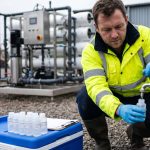
Let’s be direct: the purity of your water isn’t just a preference – it’s fundamental for both your body and your mind. Tap water, or water from other untested sources, often carries contaminants and impurities. These aren’t just unpleasant; they can actively hinder your health and leave you feeling less than optimal. We see this firsthand in our field analyses, where untreated water often contains high levels of TDS (Total Dissolved Solids) and various pathogens.
So, what’s the solution? A reliable reverse osmosis system. It’s one of the most effective ways to guarantee pure water, day in and day out. Our systems are engineered to eliminate up to 99% of dissolved solids, heavy metals, bacteria, and viruses, ensuring clean, great-tasting water and significantly reducing potential health risks. What we’ve found is that investing in a quality RO system is investing in your long-term cognitive and physical well-being.
Ready for Pure Water? Trust AMPAC USA.
When you’re searching for a reverse osmosis system that consistently delivers pure water – on demand, every single time – AMPAC USA is your trusted partner. We’ve spent over 30 years designing and manufacturing commercial and industrial water purification systems. Our expertise spans residential, commercial, industrial, military, and critical institutional applications.
AMPAC USA isn’t just a distributor; we’re a manufacturer of American-made water treatment systems, including our powerful reverse osmosis units. Founded in 1994, we began as specialists in water purification equipment. Today, we’ve grown into a large-scale manufacturer, delivering everything from individual purification units to massive, turnkey water infrastructure installations globally.
We’re particularly known for our superior technical services. Our engineers speak from direct field experience, having installed systems on offshore oil rigs, military bases, and luxury resorts. We truly understand harsh operating conditions – especially marine environments. That’s why we insist on military and marine-grade components in all our offshore and onshore reverse osmosis watermakers. We build equipment that’s easy to operate, heavy-duty, and utterly reliable. No compromises. AMPAC USA custom-engineers, designs, builds, and manufactures systems to tackle the toughest water treatment challenges anywhere on the planet. From dealing with high salinity (up to 45,000 ppm TDS) in desalination projects to ensuring ultra-pure water for pharmaceutical plants (down to 10-20 microns), we’ve handled it all.
Our integrated plug-and-play reverse osmosis systems come fully equipped with all necessary pre- and post-treatment stages. This significantly reduces complexity and cuts costs – a unique innovation in our industry. Our flagship RO systems feature advanced HMI (human-machine interface) controls, complete with full-color graphic touch screens. These display real-time operating conditions and process status on a single, comprehensive dynamic process diagram. It gives operators immediate, clear insight into system performance – no guesswork. Want to learn more? Call us directly at 909-548-4900, or explore our water treatment solutions.
Related reading: Benefits of Ocean Salt Water: 6 Seawater Desalination Benefits, QMRA of adenovirus in drinking water at a drinking water treatment plant using UV and chlorine dioxide disinfection, Proposal of new health risk assessment method for deficient essential elements in drinking water-case study of the Slovak Republic..
Frequently Asked Questions
How much water is in the human brain?
The human brain is approximately 73% water. Maintaining this high level of hydration is critical for optimal cognitive function, memory, and overall brain health, as observed in our field installations worldwide.
What are common signs of brain dehydration?
Signs your brain isn’t getting enough water include unexpected hunger pangs, persistent headaches, fatigue, and feeling disoriented or foggy. These symptoms indicate your brain isn’t operating efficiently, impacting clarity and concentration.
How quickly does dehydration impact cognitive function?
Mild dehydration can begin to affect cognitive function within just 4-8 hours without water. Prolonged dehydration, such as a full day without intake, becomes severe and can significantly impair brain performance and overall health.
How does pure water support neurogenesis and brain protection?
Pure water supports neurogenesis, the creation of new neurons, which is fundamental for brain function and longevity. Additionally, adequate hydration maintains vital fluid levels that cushion and protect the brain and spinal cord from impact and trauma.
Why is reverse osmosis water beneficial for brain clarity and focus?
Reverse osmosis water is highly purified, ensuring the brain receives water free from contaminants that could hinder its optimal function. Our field experience, from offshore rigs to military bases, shows consistent access to pure RO water significantly enhances mental clarity, focus, and concentration.
AMPAC USA engineers custom water purification systems for commercial, industrial, and emergency applications — from 500 GPD to multi-million GPD. Trusted by municipalities, military, and industry worldwide.