
Clean drinking water is essential to health, but the method of purification can significantly impact the quality and safety of what we consume. Two widely used technologies – Reverse Osmosis (RO) and Ultraviolet (UV) filtration – are often compared for their effectiveness in removing contaminants. While both serve the purpose of purification, their mechanisms, capabilities, and ideal use cases differ vastly.
A majority of the crowd is divided in deciding which purifier to choose, a reverse osmosis operated water filter or an ultra violet filter. But to be able to make such a decision we usually list down the pros and cons of these filters and choose the one with most pros. If you are someone without enough knowledge on the subject.
In this detailed guide, we explore the key differences between RO and UV filters, helping users make informed choices.
How RO and UV Water Purifiers Work
RO (Reverse Osmosis) Filtration Process
RO filtration uses a special filter (called a semi-permeable membrane) to remove harmful substances like salt, heavy metals, fluoride, arsenic, lead, and other pollutants from water. The system pushes water through the filter under pressure, trapping the impurities and providing clean water.
- Removes: Total Dissolved Solids (TDS), chemical contaminants, pesticides, bacteria, viruses
- Pre-filtration and post-filtration stages enhance output purity
- Requires electricity to operate
- Often paired with activated carbon and sediment filters
UV (Ultraviolet) Purification Process
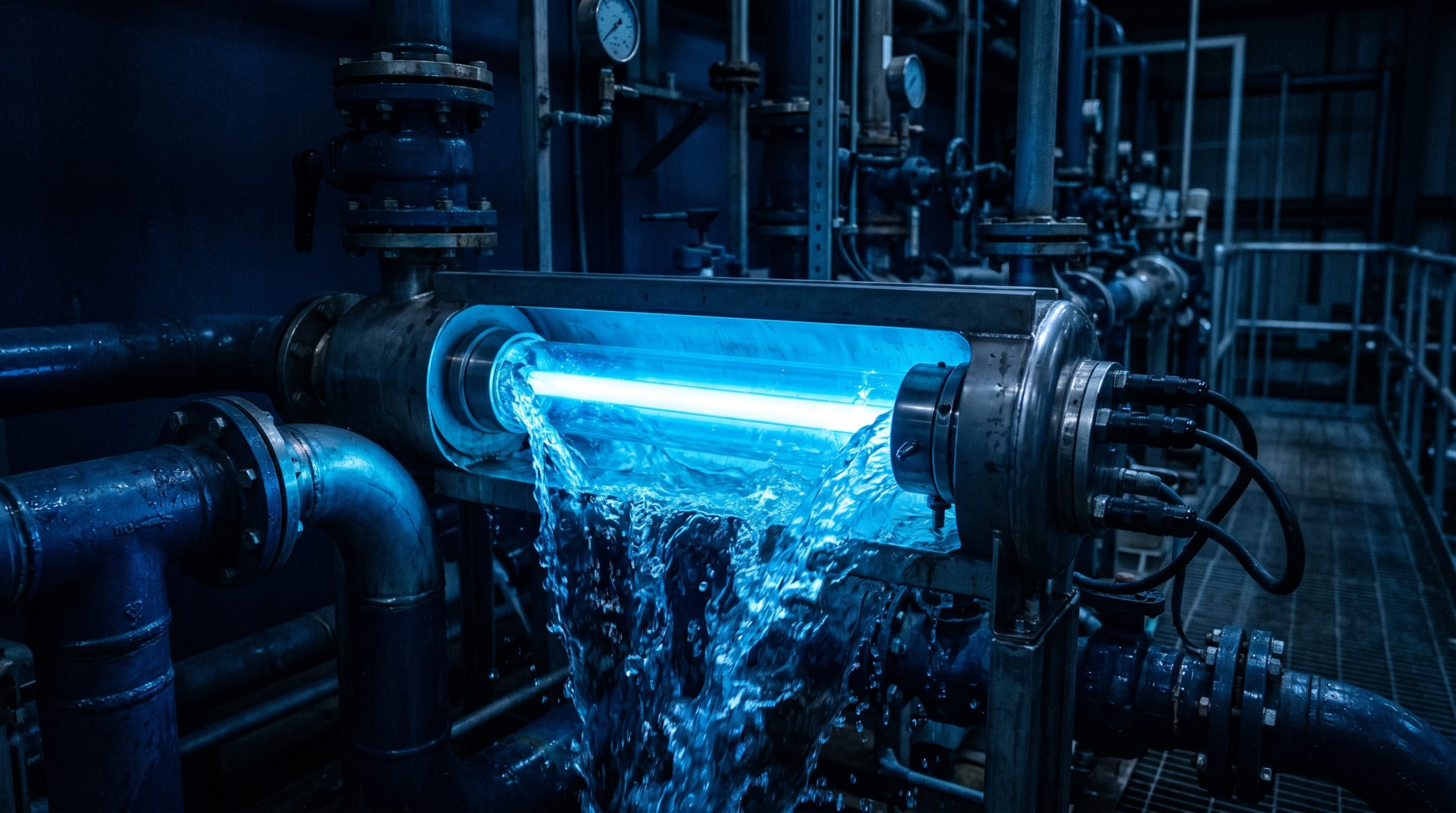
UV filtration uses ultraviolet light to kill or deactivate bacteria, viruses, and other pathogens. It does not physically remove particles or dissolved substances; it simply sterilizes the microorganisms.
- Destroys: Microorganisms like E. coli, Salmonella, and Giardia
- Does not remove TDS, heavy metals, or chemicals
- Requires electricity to generate UV rays
- Often used as a secondary purification stage
Key Differences Between RO and UV Filters
-
Type of Contaminants Removed
- RO Systems: Eliminate physical, chemical, and biological impurities including TDS, chlorine, lead, arsenic, mercury, and bacteria.
- UV Systems: Target biological contaminants only, such as bacteria and viruses, but do not remove chemicals or dissolved salts.
-
Water Source Suitability
- RO Purifiers: Best for water with high TDS levels (over 500 ppm), typically found in borewell, tank, or hard water.
- UV Purifiers: Suitable for municipal or tap water with low TDS but possible microbial presence.
-
Filtration Mechanism
- RO: Works through a multi-stage physical filtration system.
- UV: Works through radiation-based sterilization.
-
Effect on Taste and Odor
- RO Systems: Improve taste by removing salts and unpleasant odors.
- UV Systems: Do not affect taste or remove dissolved impurities.
-
Electricity Consumption
- Both require electricity, but:
- RO systems consume more power due to pump operation.
- UV systems consume less electricity, mainly to power the UV lamp.
-
Water Wastage
- RO filters generate significant wastewater – for every liter purified, 2-3 liters may be rejected.
- UV systems produce no wastewater, making them more eco-friendly.
-
Maintenance Needs
- RO filters require regular filter and membrane replacement (every 6-12 months).
- UV filters need UV lamp replacement (typically once a year) and periodic chamber cleaning.
| Feature | RO Filter | UV Filter |
|---|---|---|
| Contaminants Removed | Dissolved solids, metals, pathogens | Microorganisms only |
| Ideal for | High TDS water (borewell, tank) | Low TDS water (tap, municipal) |
| Electricity Required | Yes | Yes |
| Water Wastage | Yes (up to 3x input) | No |
| Pre/Post Filters | Sediment, carbon, remineralizer | Usually with pre-sediment filter |
| Taste Improvement | Yes | No |
| Cost (Initial + Maintenance) | Higher | Lower |
| Purification Speed | Moderate | Fast |
| Installation | Wall-mounted or under-sink | Compact and lightweight |
Advantages of RO Filters
- Comprehensive purification including salts, metals, and pathogens
- Enhanced taste and clarity of water
- Reduces hardness and makes water suitable for sensitive appliances
- Ideal for all water sources, especially if TDS is unknown
Advantages of UV Filters
- High-speed purification without delay
- Environmentally friendly with zero water wastage
- Simple design with fewer components
- Low maintenance cost and compact size
RO vs UV: Which One Should You Choose?
Choose RO If:
- Your water has TDS levels over 300-500 ppm
- You use borewell, tank, or groundwater
- You need to remove heavy metals, fluoride, or chemical pollutants
- You want better taste, clarity, and safety
Choose UV If:
- Your source is municipal water with low TDS
- You’re primarily concerned about microbial disinfection
- You want a compact, energy-efficient solution
- You prefer no water wastage
RO + UV Combination: The Best of Both Worlds
For homes where water may have both microbial and chemical contamination, an RO+UV purifier offers dual-stage protection. While RO removes TDS and heavy metals, the UV chamber ensures sterilization of any remaining bacteria or viruses.
Many premium systems also include UF (Ultrafiltration), alkaline filters, or mineralizers to enhance the water’s taste and nutritional value post-filtration.
At the end, which one is better you ask? It usually depends on the kind of water supply you receive at your home. Usually, it is best if you hire an expert on this matter who can determine which is best for your family. One can also use Ampac USA household products that also have a combination of both the filter if the water supply is highly contaminated. These products come with UV filter included in a 5 stage reverse osmosis water filter that takes care of every impurity in the water. Contact us today, to get a quote or call us to get expert consultation on the subject.
Frequently Asked Questions
When should I choose a Reverse Osmosis (RO) system for water purification?
An RO system is ideal for water sources with high Total Dissolved Solids (TDS) levels, typically exceeding 500 ppm, such as borewell, tank, or hard water. It effectively removes a broad spectrum of contaminants, including salts, heavy metals, chemicals, and biological impurities, ensuring comprehensive purification.
What contaminants do UV water filters not remove?
UV water filters are designed to sterilize microorganisms like bacteria and viruses but do not physically remove particles or dissolved substances. They are ineffective against Total Dissolved Solids (TDS), heavy metals, chemicals, pesticides, or sediment, requiring pre-filtration for optimal performance.
Can a UV water purifier remove lead or arsenic from drinking water?
No, a UV water purifier cannot remove lead, arsenic, or other heavy metals and chemical contaminants from drinking water. UV technology only deactivates biological pathogens; it does not filter out dissolved inorganic or organic substances. For such contaminants, a Reverse Osmosis system is required.
How does Reverse Osmosis filtration physically remove impurities?
Reverse Osmosis filtration works by pushing water under pressure through a specialized semi-permeable membrane. This membrane acts as a barrier, trapping and rejecting harmful substances like salt, heavy metals, fluoride, arsenic, lead, and other pollutants, while allowing purified water to pass through.
Do both RO and UV water purification systems require electricity to operate?
Yes, both Reverse Osmosis and UV water purification systems require electricity. RO systems use electricity to power pumps that create the necessary pressure for filtration, while UV systems need electricity to generate the ultraviolet light that sterilizes microorganisms.
Related Articles
- Whole House Reverse Osmosis System for Commercial & Industrial Water Treatment
- Cannabis Water Treatment: Why Commercial Grows Use Reverse Osmosis
- Brackish Water Reverse Osmosis Systems: What They Are and When You Need One
- Conserving Commercial Reverse Osmosis Water in COVID19 Times
Conclusion
Contact our team at info@ampac1.com or (909) 548-4900 to discuss your water treatment needs.
AMPAC USA engineers custom water purification systems for commercial, industrial, and emergency applications — from 500 GPD to multi-million GPD. Trusted by municipalities, military, and industry worldwide.