

Models
-

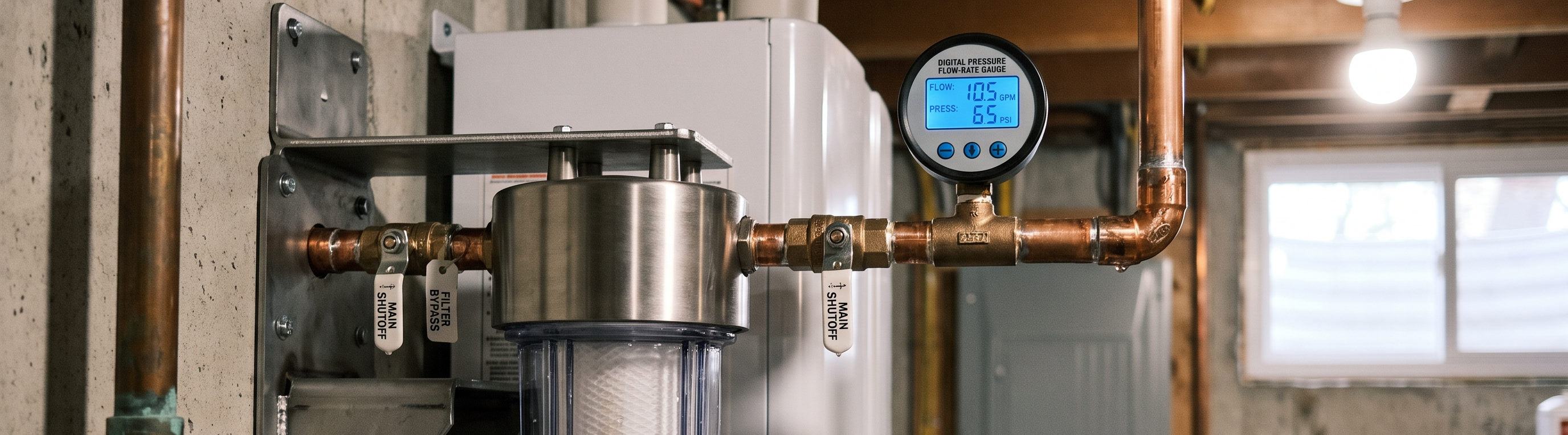
AP1500C
Ampac USA Wholehouse Carbon Filter AP1500C
The AMPAC USA Wholehouse Carbon Filter AP1500C offers a comprehensive solution for improving the quality of your entire home's water supply.
View specifications -
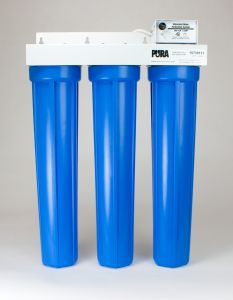
UV20-3-110
Pura Ultra Violet Water Filter UV20-SL3
The Pura Ultra Violet Water Filter UV20-SL3 by AMPAC USA disinfects water using ultraviolet light, neutralizing harmful microorganisms without chemicals.
View specifications -
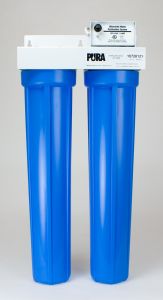
15720121
Pura Ultra Violet Water Filter UV20-SL2
The Pura Ultra Violet Water Filter UV20-SL2 by AMPAC USA offers a reliable and effective solution for ensuring clean, disinfected water in various settings.
View specifications -
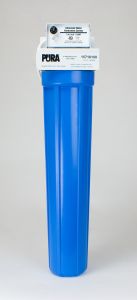
15710100
Pura Ultra Violet Water Filter UV20-SL1
The Pura Ultra Violet Water Filter UV20-SL1, supplied by AMPAC USA, offers a reliable and efficient solution for ensuring safe, disinfected water for a variety of settings.
View specifications -
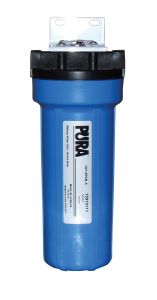
15910111
Pura Ultra Violet Water Filter UV1
The Pura Ultra Violet Water Filter UV1, supplied by AMPAC USA, offers a comprehensive solution for ensuring safe and clean drinking water directly from your tap.
View specifications -
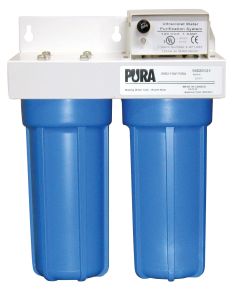
15620121
Pura Ultra Violet Disinfection System UVB2-EPCB
The Pura Ultra Violet Disinfection System UVB2-EPCB from AMPAC USA offers a comprehensive solution for ensuring clean and safe drinking water.
View specifications -
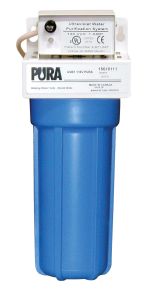
UVB1-EPCB-10
Pura Ultra Violet Disinfection System UVB1-EPCB
The Pura Ultra Violet Disinfection System UVB1-EPCB by AMPAC USA offers a comprehensive solution for ensuring clean and safe drinking water throughout your home.
View specifications
Need an output between two models, or a different feed water? Send us your numbers
About Whole House Water Purification Systems
Sizing a system? Send your flow rate and a feed-water analysis, and an AMPAC engineer will work out the configuration with you.
A whole house water filter treats all incoming water at the main supply line, so every tap, shower, and appliance gets cleaner water. AMPAC USA builds whole-house systems for both city and well water: sediment pre-filters for particles above 5 microns, activated carbon for chlorine, chloramines, taste and odor, and specialized media for iron, manganese, or sulfur on well supplies. For complete dissolved-solids removal, a whole-house reverse osmosis stage from 300 to 1,500 GPD can be added downstream with a storage tank and re-pressurization pump. Treating water at the point of entry protects your plumbing and appliances while improving water for drinking, cooking, bathing, and laundry. Call AMPAC USA at (909) 548-4900 for a free assessment of your water and the right whole-house solution. Our whole house water purification system treats water at the point of entry, so every tap in the home receives consistently filtered water.
Frequently Asked Questions
What is a whole-house water filter and how is it different from a drinking water filter?
A whole-house filter installs at the main water line and treats every gallon entering the home. Drinking water filters only treat water at one tap. Whole-house systems protect plumbing, water heaters, and appliances from sediment and chlorine damage while also improving shower and laundry water quality.
What micron rating do I need for whole-house sediment filtration?
A 20 to 50 micron filter is a good first stage to catch coarse sediment without excessive pressure drop. A 5 micron final stage catches fine particles before they reach appliances or an RO system. For well water with heavy sediment, run two filter stages in series, coarse then fine.
What is a Big Blue filter housing and why is it used for whole-house applications?
Big Blue housings use a 4.5-inch inner diameter compared to the standard 2.5-inch residential size. The larger diameter accommodates higher flow rates up to 20 GPM with lower pressure drop, making them well suited for whole-house applications. AMPAC USA offers 10-inch and 20-inch Big Blue housings.
Do I need a whole-house carbon filter if I have a water softener?
These systems address different problems. A softener removes hardness minerals. A whole-house carbon filter removes chlorine, chloramines, and organic compounds. Softener resin can be damaged by chlorine over time, so installing a carbon pre-filter upstream of the softener is often recommended for municipal water.
What is a backwashing carbon tank and when is it better than a cartridge filter?
Backwashing carbon tanks contain loose granular activated carbon that automatically backwashes to flush out accumulated particulates. They offer much higher capacity than cartridge filters and lower long-term maintenance cost. They are ideal for households with high chlorine or chloramine levels needing whole-house treatment.